Identify the correct statements from below:
A. Colonel Colin Mackenzie was an antiquarian.
B. The name ‘Hampi’ is derived from the local mother goddess Pampadevi.
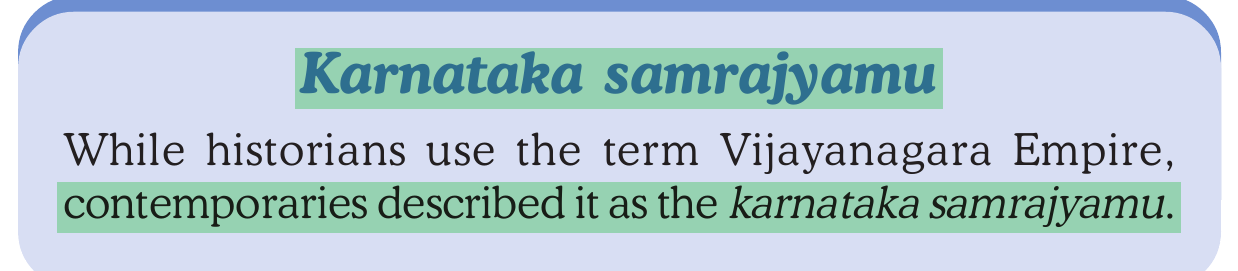
C. Vijayanagara Empire was described by the contemporaries as the Karnataka Samrajyamu.
D. Gajapati rulers ruled in Kerala.
Choose the correct answer from the options given below:
Answer & explanation
Correct answer: option 2
The correct answer is Option (2) → A, B and C only
A. Colonel Colin Mackenzie was an antiquarian. Correct. Colin Mackenzie was an engineer and antiquarian employed by the English East India Company. In 1800 he brought the ruins at Hampi to light and prepared the first survey map of the site.
B. The name ‘Hampi’ is derived from the local mother goddess Pampadevi. Correct. After the city was sacked in 1565 and deserted, the people of the Krishna-Tungabhadra doab still remembered it. They called it Hampi, a name taken from the local mother goddess, Pampadevi.
C. Vijayanagara Empire was described by the contemporaries as the Karnataka Samrajyamu. Correct. ‘Vijayanagara Empire’ is the historians’ term. The people of that time called it the karnataka samrajyamu.
D. Gajapati rulers ruled in Kerala. Incorrect. The Gajapati rulers ruled Orissa, not Kerala. Along with the Sultans of the Deccan, they competed with the Vijayanagara kings on their northern frontier for the fertile river valleys and the profits of overseas trade.
NCERT (2025-26): “An Imperial Capital Vijayanagara … Vijayanagara or ‘city of victory’ was the name of both a city and an empire. The empire was founded in the fourteenth century. In its heyday it stretched from the river Krishna in the north to the extreme south of the peninsula. In 1565 the city was sacked and subsequently deserted. Although it fell into ruin in the seventeenth-eighteenth centuries, it lived on in the memories of people living in the Krishna-Tungabhadra doab. They remembered it as Hampi, a name derived from that of the local mother goddess, Pampadevi.… 1. The Discovery of Hampi … The ruins at Hampi were brought to light in 1800 by an engineer and antiquarian named Colonel Colin Mackenzie. An employee of the English East India Company, he prepared the first survey map of the site.… 2. Rayas, Nayakas and Sultans … On their northern frontier, the Vijayanagara kings competed with contemporary rulers – including the Sultans of the Deccan and the Gajapati rulers of Orissa – for control of the fertile river valleys and the resources generated by lucrative overseas trade.…”
|