
Primary carnivores, which feed on herbivores, belong to which trophic level?
Answer & explanation
Correct answer: option 3
The correct answer is Option (3) → Third trophic level
A trophic level is the place of an organism in a food chain, based on what it eats. Producers (green plants) form the first level. Herbivores, the primary consumers, form the second. Carnivores that eat herbivores are primary carnivores; they are secondary consumers and form the third level.
Option (1) First trophic level — Incorrect. The first trophic level is the producers, which make food by photosynthesis.
Option (2) Second trophic level — Incorrect. The second trophic level is the herbivores (primary consumers), such as grasshoppers and cows. Primary carnivores eat these herbivores, so they sit one level above them.
Option (3) Third trophic level — Correct. Primary carnivores feed on herbivores. They are secondary consumers and belong to the third trophic level, as birds, fishes and wolves do in Figure 12.2.
Option (4) Fourth trophic level — Incorrect. The fourth level is taken by animals that feed on the primary carnivores, the secondary carnivores (tertiary consumers).
NCERT Extract:
Energy Flow – “… Based on the source of their nutrition or food, organisms occupy a specific place in the food chain that is known as their trophic level. Producers belong to the first trophic level, herbivores (primary consumer) to the second and carnivores (secondary consumer) to the third (Figure 12.2).”
Energy Flow – “… The consumers that feed on these herbivores are carnivores, or more correctly primary carnivores (though secondary consumers). Those animals that depend on the primary carnivores for food are labelled secondary carnivores.”
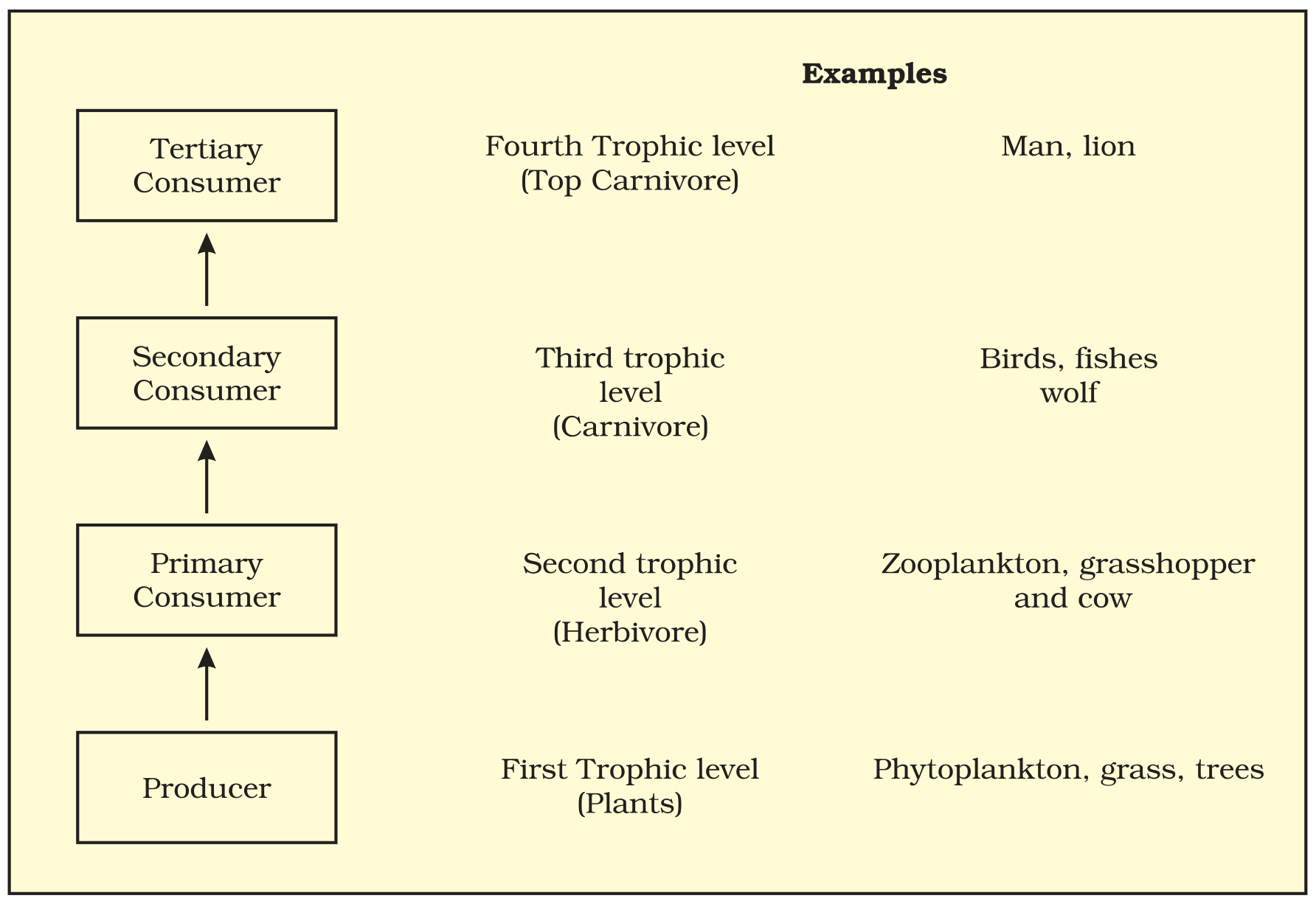
Figure 12.2 Diagrammatic representation of trophic levels in an ecosystem