
In 1953, S.L. Miller created electric discharge in a closed flask to simulate the conditions of the early earth. Which gases did the flask contain?
Answer & explanation
Correct answer: option 1
The correct answer is Option (1) → CH4, H2, NH3 and water vapour
Oparin and Haldane proposed that the first life came from non-living organic molecules, formed earlier from simple inorganic substances (chemical evolution). The early earth had high temperature, volcanic storms and a reducing atmosphere containing methane and ammonia. In 1953, S.L. Miller recreated these conditions: he passed electric discharge through a closed flask of methane, hydrogen, ammonia and water vapour and obtained amino acids.
Option (1) CH4, H2, NH3 and water vapour — Correct. These four are the gases of Miller’s flask. Methane (CH4), hydrogen (H2), ammonia (NH3) and water vapour together give a reducing mixture, like the early earth’s atmosphere.
Option (2) CH4, O2, NH3 and water vapour — Incorrect. Oxygen (O2) was not in the flask; hydrogen was. Free oxygen would make the mixture oxidising, unlike the reducing atmosphere the experiment set out to copy.
Option (3) CO2, H2, N2 and water vapour — Incorrect. Carbon dioxide (CO2) and nitrogen (N2) were not used. This mixture also lacks methane and ammonia, the two gases the book names for the early atmosphere.
Option (4) CH4, H2, O2 and CO2 — Incorrect. This mixture has oxygen and carbon dioxide and no ammonia. Without ammonia there would be no nitrogen source for forming amino acids.
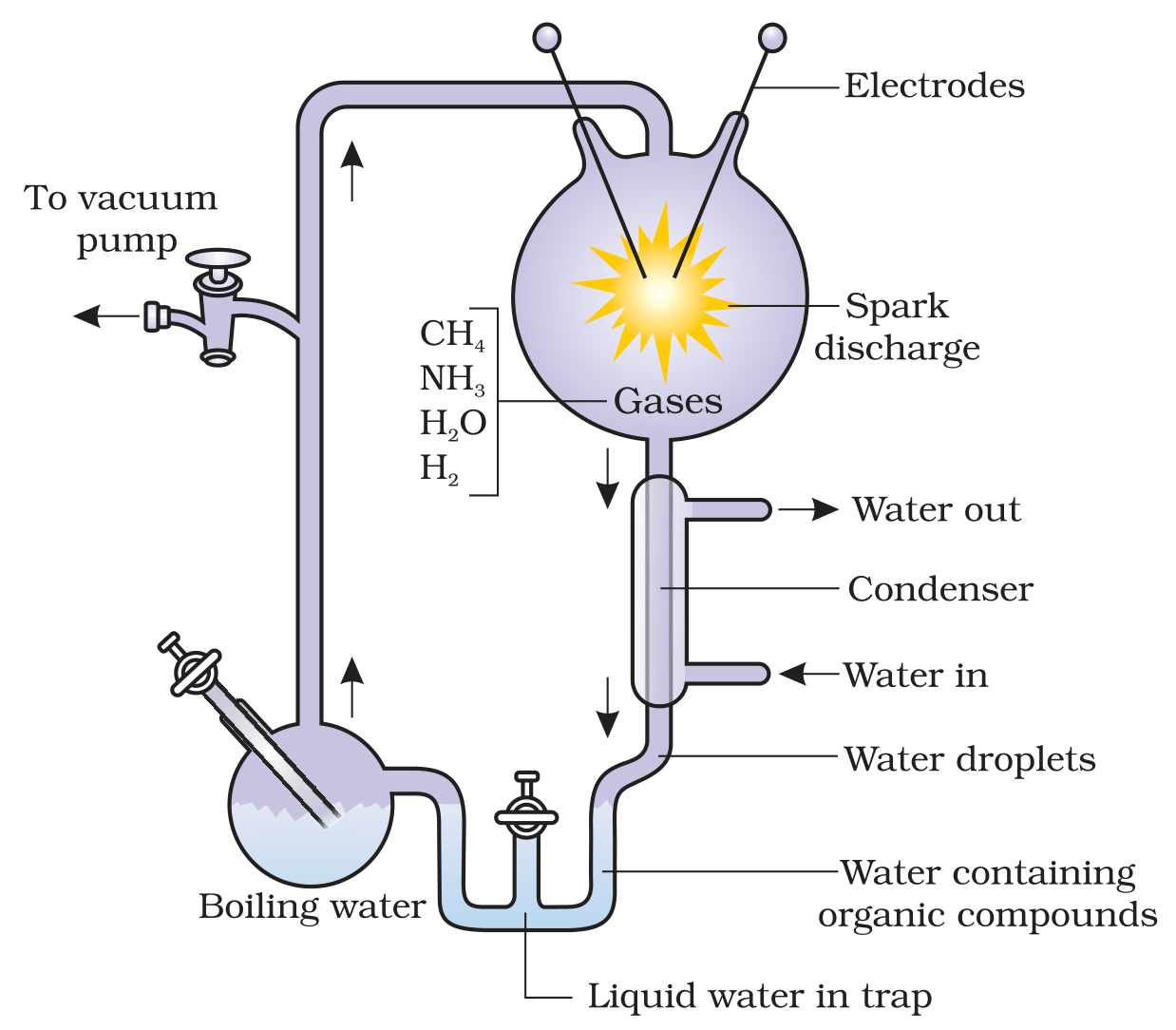
Figure 6.1 Diagrammatic representation of Miller’s experiment
NCERT Extract:
Origin of Life – “… The conditions on earth were – high temperature, volcanic storms, reducing atmosphere containing CH4, NH3, etc. In 1953, S.L. Miller, an American scientist created similar conditions in a laboratory scale (Figure 6.1). He created electric discharge in a closed flask containing CH4, H2, NH3 and water vapour at 800oC. He observed formation of amino acids.”