
In which of the following processes is methyl guanosine triphosphate added to the 5’-end of hnRNA?
Answer & explanation
Correct answer: option 2
The correct answer is Option (2) → In capping
In eukaryotes the primary transcript, hnRNA, is processed before it leaves the nucleus. Splicing removes the introns, capping adds an unusual nucleotide at the 5′-end, and tailing adds adenylate residues at the 3′-end. The figure below shows the cap (mGppp) at the 5′-end and the poly A tail at the 3′-end.
Option (1) In splicing — Incorrect. Splicing removes the introns and joins the exons in a defined order. No nucleotide is added at the 5′-end in this step.
Option (2) In capping — Correct. In capping, methyl guanosine triphosphate is added to the 5′-end of hnRNA.
Option (3) In tailing — Incorrect. Tailing works at the other end. Adenylate residues are added at the 3′-end in a template-independent manner.
NCERT Extract:
Types of RNA and the Process of Transcription – “… The second complexity is that the primary transcripts contain both the exons and the introns and are non-functional. Hence, it is subjected to a process called splicing where the introns are removed and exons are joined in a defined order. hnRNA undergoes additional processing called as capping and tailing. In capping an unusual nucleotide (methyl guanosine triphosphate) is added to the 5′-end of hnRNA. In tailing, adenylate residues (200-300) are added at 3′-end in a template independent manner.”
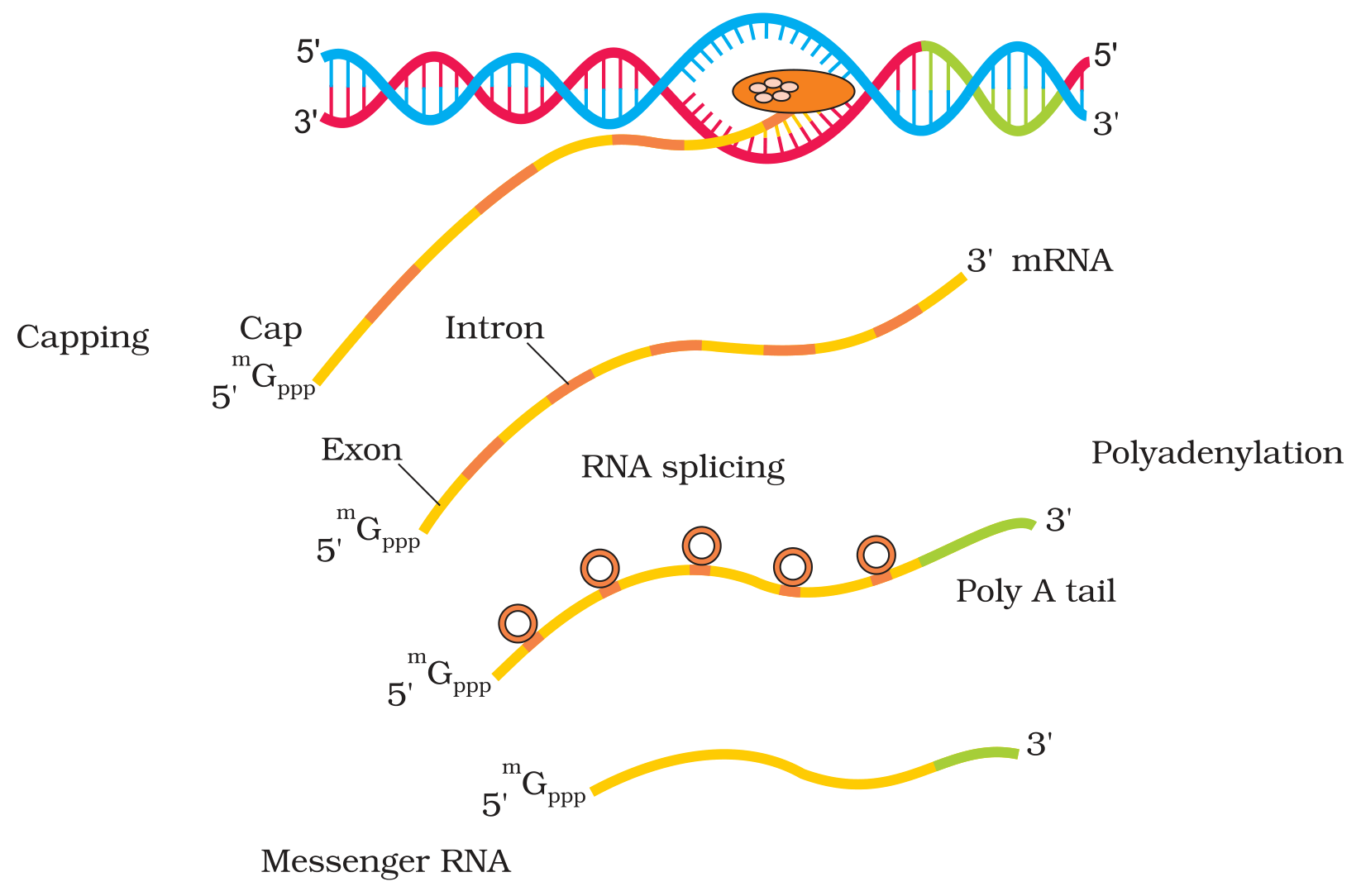
Figure 5.11 Process of Transcription in Eukaryotes