Match List-I with List-II.
| List-I (Feature) | List-II (Body) |
|---|---|
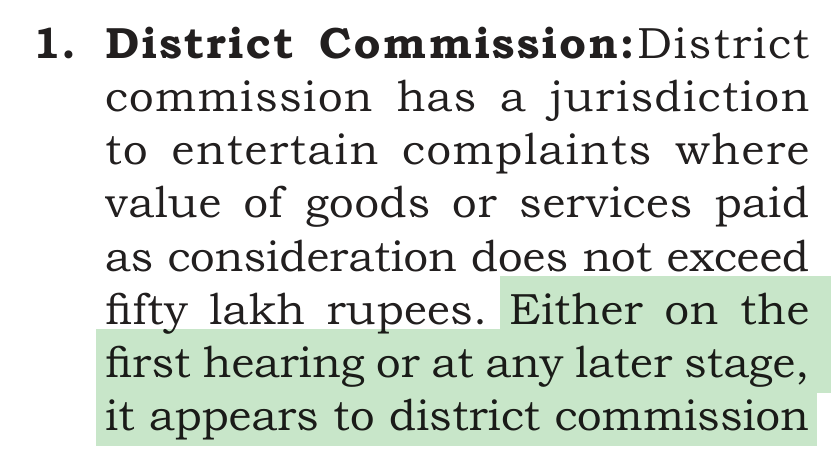
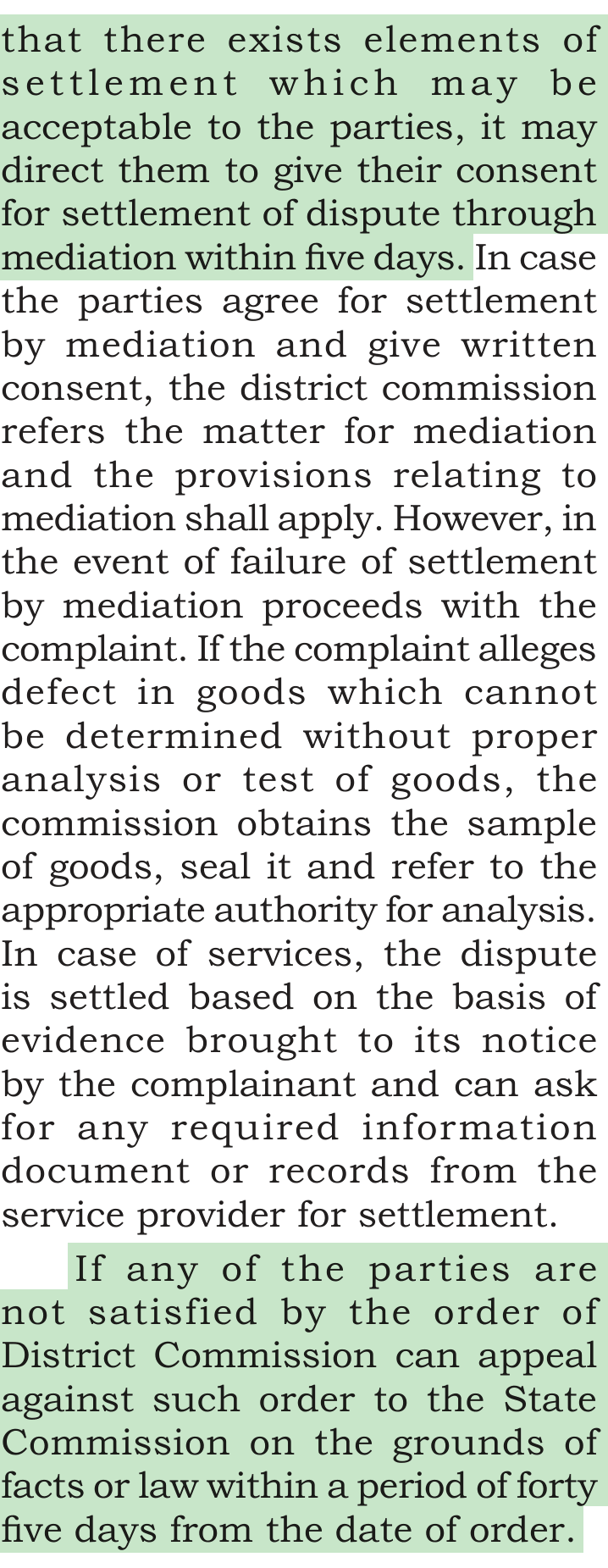
| (A) Hears appeals against the orders of the District Commission | (I) District Commission |
| (B) Has territorial jurisdiction over the whole country | (II) Central Consumer Protection Authority |
| (C) Regulates matters relating to violation of rights of consumers | (III) State Commission |
| (D) May direct the parties to give their consent for settlement through mediation within five days | (IV) National Commission |
Choose the correct answer from the options given below:
Answer & explanation
Correct answer: option 1
The correct answer is Option (1) → (A)-(III), (B)-(IV), (C)-(II), (D)-(I)
| List-I | List-II | Reason |
|---|---|---|
| (A) Hears appeals against the orders of the District Commission | (III) State Commission | A party not satisfied with a District Commission order appeals to the State Commission within forty-five days. |
| (B) Has territorial jurisdiction over the whole country | (IV) National Commission | The National Commission has territorial jurisdiction over the whole country. |
| (C) Regulates matters relating to violation of rights of consumers | (II) Central Consumer Protection Authority | The Act set up this central authority to regulate violation of consumer rights, unfair trade practices and misleading advertisements. |
| (D) May direct the parties to give their consent for settlement through mediation within five days | (I) District Commission | When a settlement looks possible, the District Commission may ask the parties to agree to mediation. |
NCERT (2026-27 Edition):
“3. National Commission: The National Commission has territorial jurisdiction over the whole country. National Commission has a jurisdiction to entertain complaints where value of goods or services paid as consideration exceeds two crores of rupees. If any of the parties are not satisfied by the order of National Commission can appeal against such order to the Supreme Court of India within a period of thirty days of such order.” “Government: … The most important of these regulations is the Consumer Protection Act, 2019. The Act provides for a central authority to regulate matters relating to violation of rights of consumers, unfair trade practices and false or misleading advertisements which are prejudicial to the interests of consumers. This is known as Central Consumer Protection Authority (CCPA). …” |