Match List - I with List - II.
| List - I | List - II | ||
| (A) | B. Pocker Bahadur | (I) | Maharashtra |
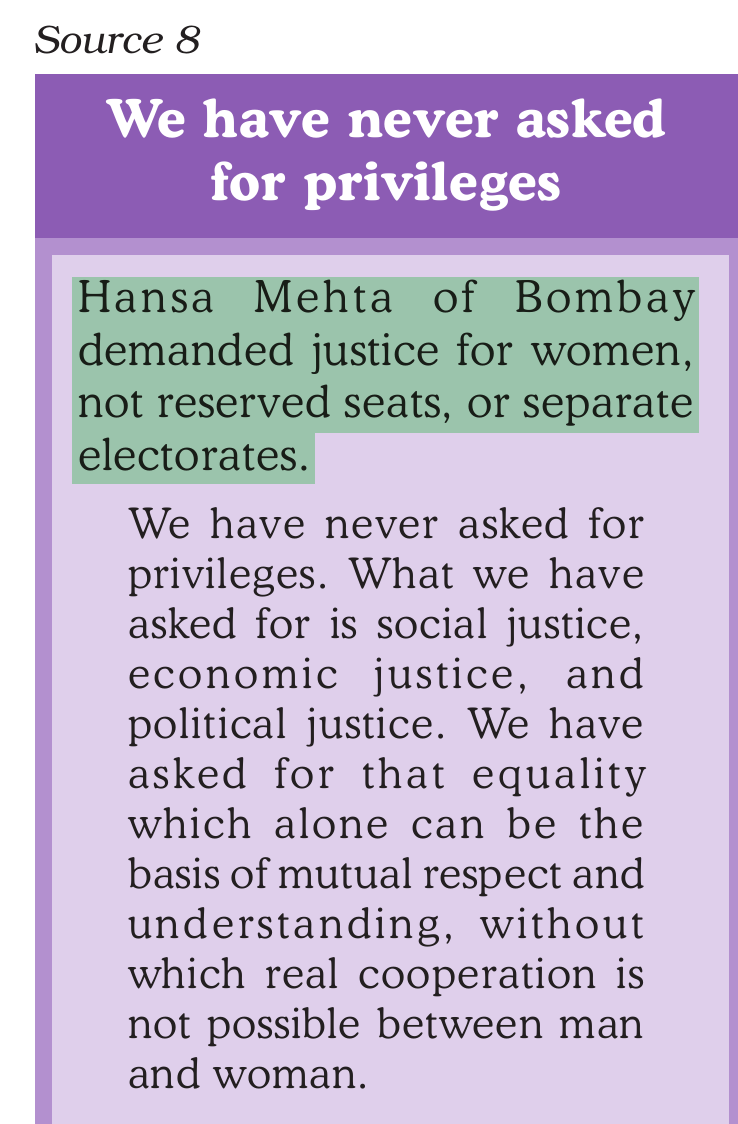
| (B) | Hansa Mehta | (II) | Madras |
| (C) | Jyotiba Phule | (III) | Mysore |
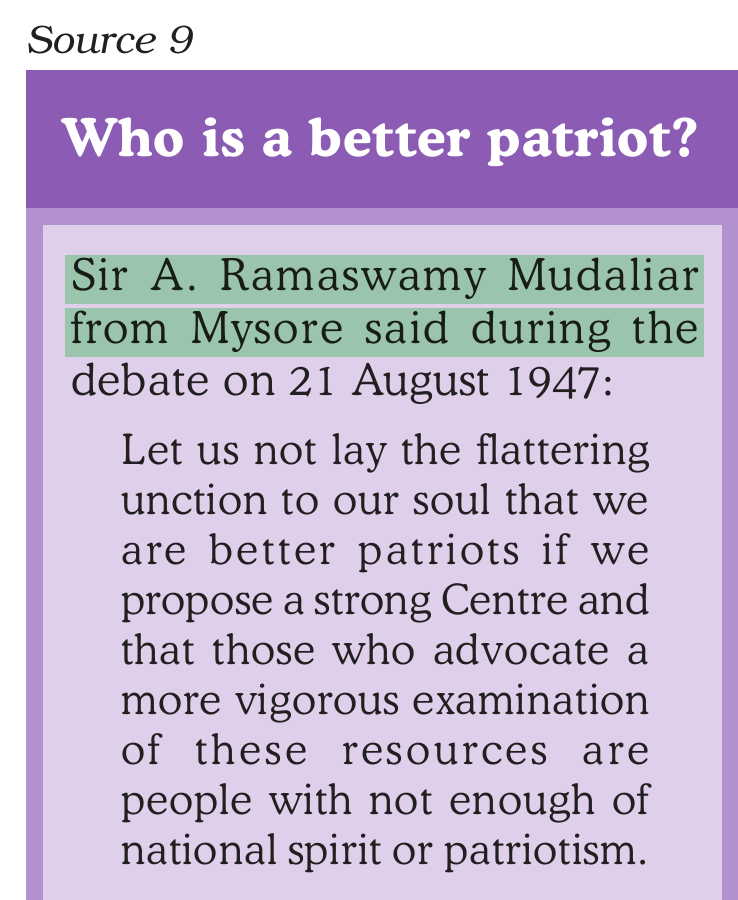
| (D) | A. Ramaswamy Mudaliar | (IV) | Bombay |
Choose the correct answer from the options given below:
Answer & explanation
Correct answer: option 3
The correct answer is Option (3) → (A)-(II), (B)-(IV), (C)-(I), (D)-(III)
(A) B. Pocker Bahadur — this matches (II) Madras. On 27 August 1947, B. Pocker Bahadur from Madras made a powerful plea in the Constituent Assembly for continuing separate electorates.
(B) Hansa Mehta — this matches (IV) Bombay. Hansa Mehta of Bombay demanded justice for women, not reserved seats or separate electorates.
(C) Jyotiba Phule — this matches (I) Maharashtra. Jyotiba Phule in Maharashtra pointed to the suffering of the depressed castes, a demand for social justice that the national movement carried forward.
(D) A. Ramaswamy Mudaliar — this matches (III) Mysore. Sir A. Ramaswamy Mudaliar from Mysore spoke in the debate on the powers of the Centre and the provinces on 21 August 1947.
NCERT (2026-27): “3.1 The problem with separate electorates … On 27 August 1947, B. Pocker Bahadur from Madras made a powerful plea for continuing separate electorates. Minorities exist in all lands, argued Bahadur; they could not be wished away, they could not be ‘erased out of existence’.… 2.1 The will of the people … When the social reformers in the nineteenth century opposed child marriage and demanded that widows be allowed to remarry, they were pleading for social justice. When Swami Vivekananda campaigned for a reform of Hinduism, he wanted religions to become more just. When Jyotiba Phule in Maharashtra pointed to the suffering of the depressed castes, or Communists and Socialists organised workers and peasants, they were demanding economic and social justice.…”
|