Match List-I with List-II:
| List-I Temple/Sculpture | List-II Location/ Region | ||
| (A) | Brihadishvara Temple | (I) | Thanjavur |
| (B) | Chennakeshava Temple | (II) | Belur |
| (C) | Shiva Temple | (III) | Bihar |
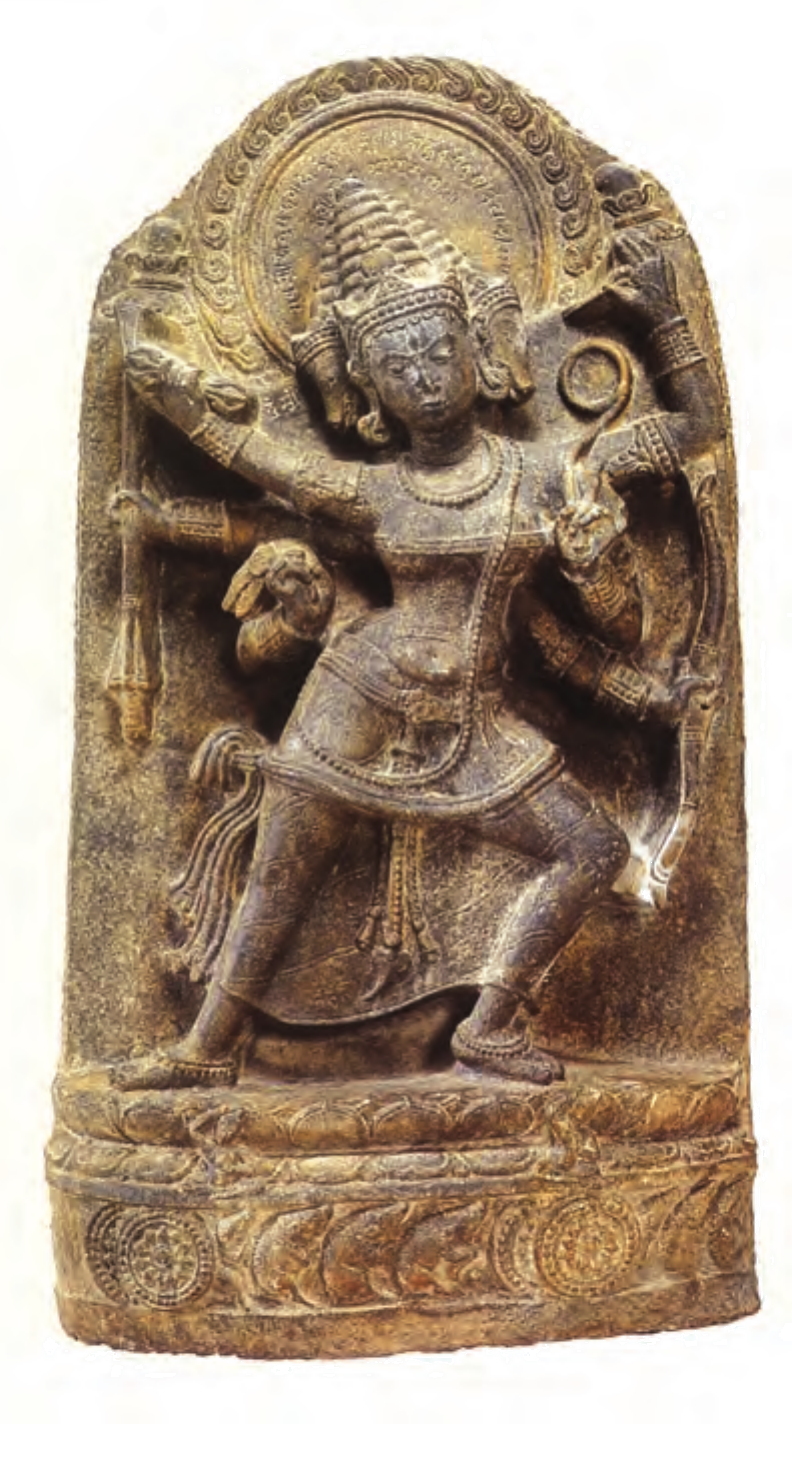
| (D) | Sculpture of a Buddhist Goddess | (IV) | Gangaikondacholapuram |
Choose the correct answer from the options given below:
Answer & explanation
Correct answer: option 3
The correct answer is Option (3) → (A)-(I), (B)-(II), (C)-(IV), (D)-(III)
(A) Brihadishvara Temple — this matches (I) Thanjavur. The Chola rulers of Tamil Nadu extended patronage to elaborate temples such as the Brihadishvara temple at Thanjavur.
(B) Chennakeshava Temple — this matches (II) Belur. The Hoysalas of Karnataka built the Chennakeshava temple at Belur.
(C) Shiva Temple — this matches (IV) Gangaikondacholapuram. Some of the most magnificent Shiva temples, including those at Chidambaram, Thanjavur and Gangaikondacholapuram, were built under the patronage of the Chola rulers. Thanjavur is already taken by (A), so Gangaikondacholapuram is the Shiva temple here.
(D) Sculpture of a Buddhist Goddess — this matches (III) Bihar. The sculpture of the Buddhist goddess Marichi (c. tenth century) comes from Bihar; it is an example of the integration of different religious beliefs and practices.
NCERT (2026-27): “2. Rayas, Nayakas and Sultans … Some of the areas that were incorporated within the empire had witnessed the development of powerful states such as those of the Cholas in Tamil Nadu and the Hoysalas in Karnataka. Ruling elites in these areas had extended patronage to elaborate temples such as the Brihadishvara temple at Thanjavur and the Chennakeshava temple at Belur. The rulers of Vijayanagara, who called themselves rayas, built on these traditions and carried them, as we will see, literally to new heights.… 2.4 Relations with the state … What is evident is that the powerful Chola rulers (ninth to thirteenth centuries) supported Brahmanical and bhakti traditions, making land grants and constructing temples for Vishnu and Shiva. In fact, some of the most magnificent Shiva temples, including those at Chidambaram, Thanjavur and Gangaikondacholapuram, were constructed under the patronage of Chola rulers. This was also the period when some of the most spectacular representations of Shiva in bronze sculpture were produced. Clearly, the visions of the Nayanars inspired artists.…”
Fig. 6.3 Sculpture of a Buddhist goddess, Marichi (c. tenth century, Bihar), an example of the process of integration of different religious beliefs and practices |