Chipko Movement
Read the passage carefully and answer the following questions from
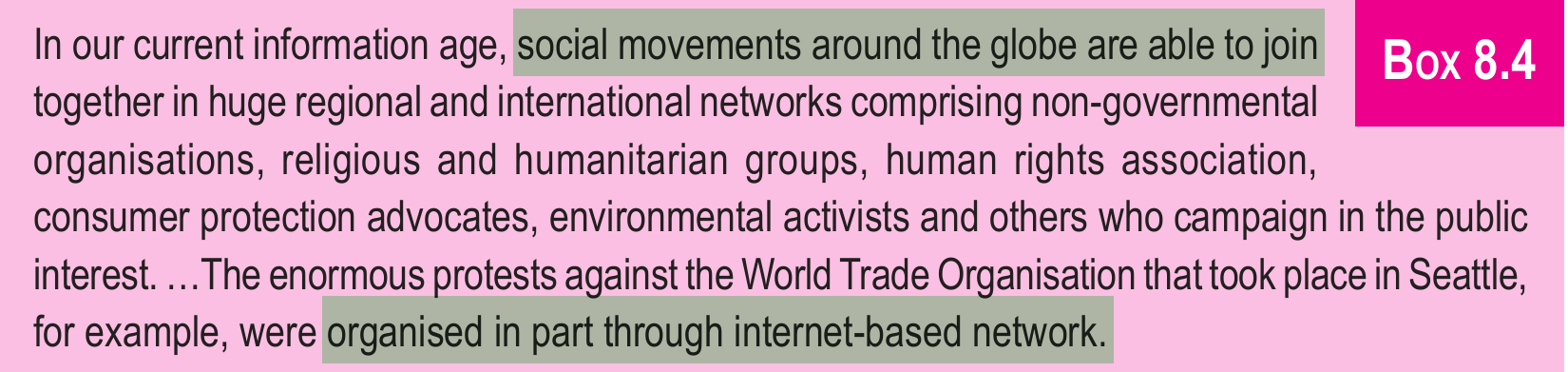
The unusually heavy monsoon of 1970 precipitated the most devastating flood in living memory. In the Alaknanda valley, water inundated 100 square kilometers of land, washed away 6 metal bridges and 10 kilometers of motor roads, 24 buses, and several other vehicles; 366 houses collapsed, and 500 acres of standing paddy crops were destroyed. The loss of human and bovine life was considerable. The 1970 floods mark a turning point in the ecological history of the region. Villagers, who bore the brunt of the damage, were beginning to perceive the hitherto tenuous links between deforestation, landslides, and floods. It was observed that some of the villages most affected by landslides, lay directly below forests where felling operations had taken place. The villagers’ cause was taken up by the Dashauli Gram Swaraja Sangh DGSS, a cooperative organization based in Chamoli district. Despite these early protests, the government went ahead with the yearly auction of forests in November. One of the plots scheduled to be assigned was the Reni forest. The contractors’ men who were traveling to Reni from Joshimath stopped the bus shortly before Reni. Skirting the village, they made for the forest. A small girl who spied the workers with their implements rushed to Gaura Devi, the head of the village Mahila Mandal Women’s Club. Gaura Devi quickly mobilised the other housewives and went to the forest. Pleading with the laborers not to start felling operations, the women initially met with abuse and threats. When the women refused to budge, the men were eventually forced to retire. In our current information age, social movements around the globe are able to join together in huge regional and international networks comprising non-governmental organisations, religious and humanitarian groups, human rights association, consumer protection advocates, environmental activists, and others who campaign in the public interest. The enormous protests against the World Trade Organization that took place in Seattle, for example, were organized in part through internet-based network.
In contemporary society, social movements around the globe are organised to address specific regional problems. What mode of networking is most commonly used for mobilisation?
Answer & explanation
Correct answer: option 1
The correct answer is Option (1) → Internet
Option (1) Internet — Correct. In our information age, social movements around the globe join together in huge regional and international networks of NGOs, religious and humanitarian groups, human rights and consumer groups and environmental activists. The enormous protests against the WTO in Seattle were organised in part through internet-based networks.
Option (2) Mobile — Incorrect. Mobile phones are a device; the passage names the internet-based network as the mode of mobilisation.
Option (3) Television — Incorrect. Television is a one-way mass medium: it broadcasts to viewers but does not let groups network with one another.
Option (4) Radio — Incorrect. Radio is also a one-way broadcast medium, not a network through which movements organise.
NCERT: Social Change and Development in India — Chapter 8: Social Movements (2025-26)
|