Read the passage and answer the questions:
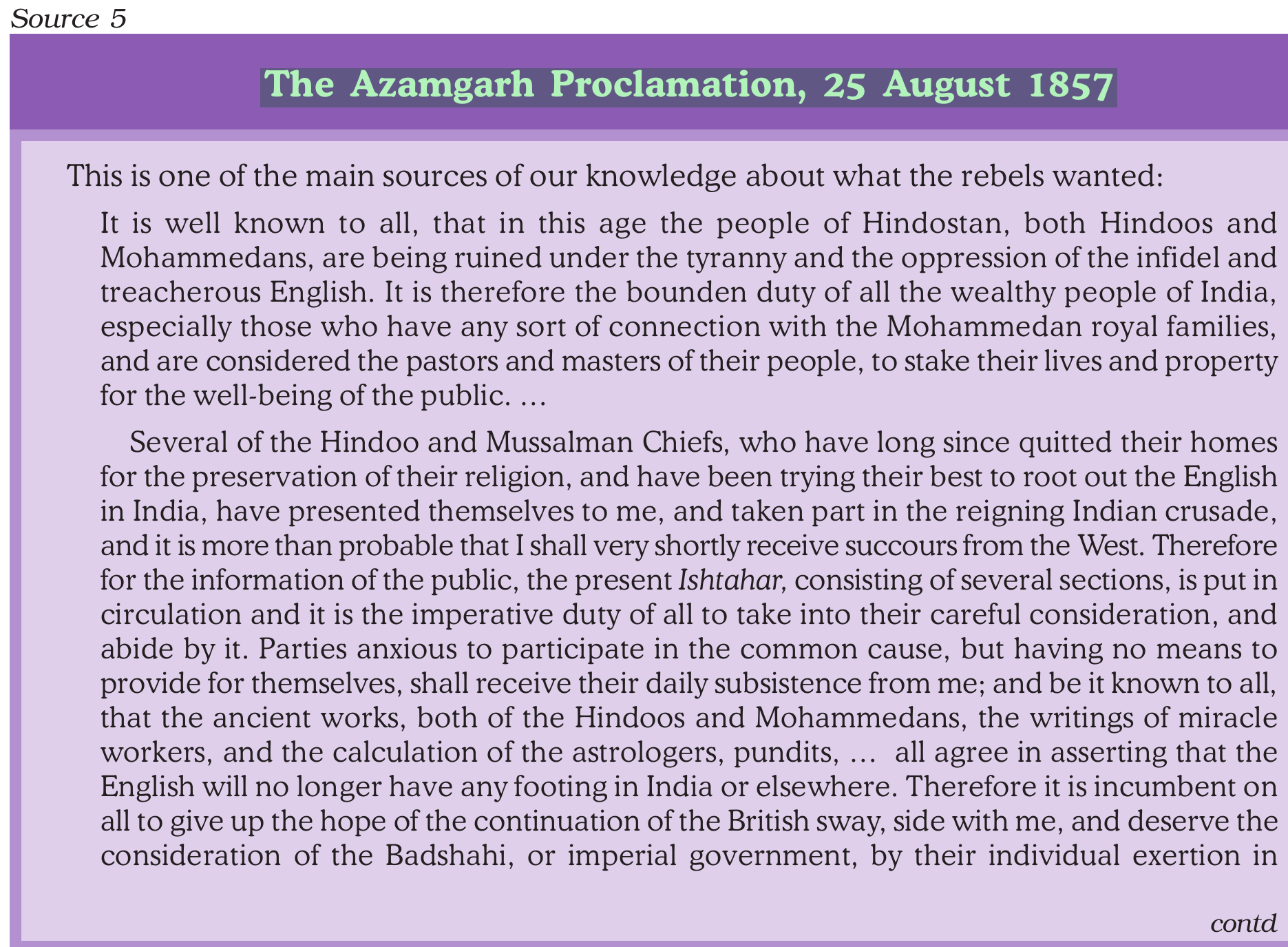
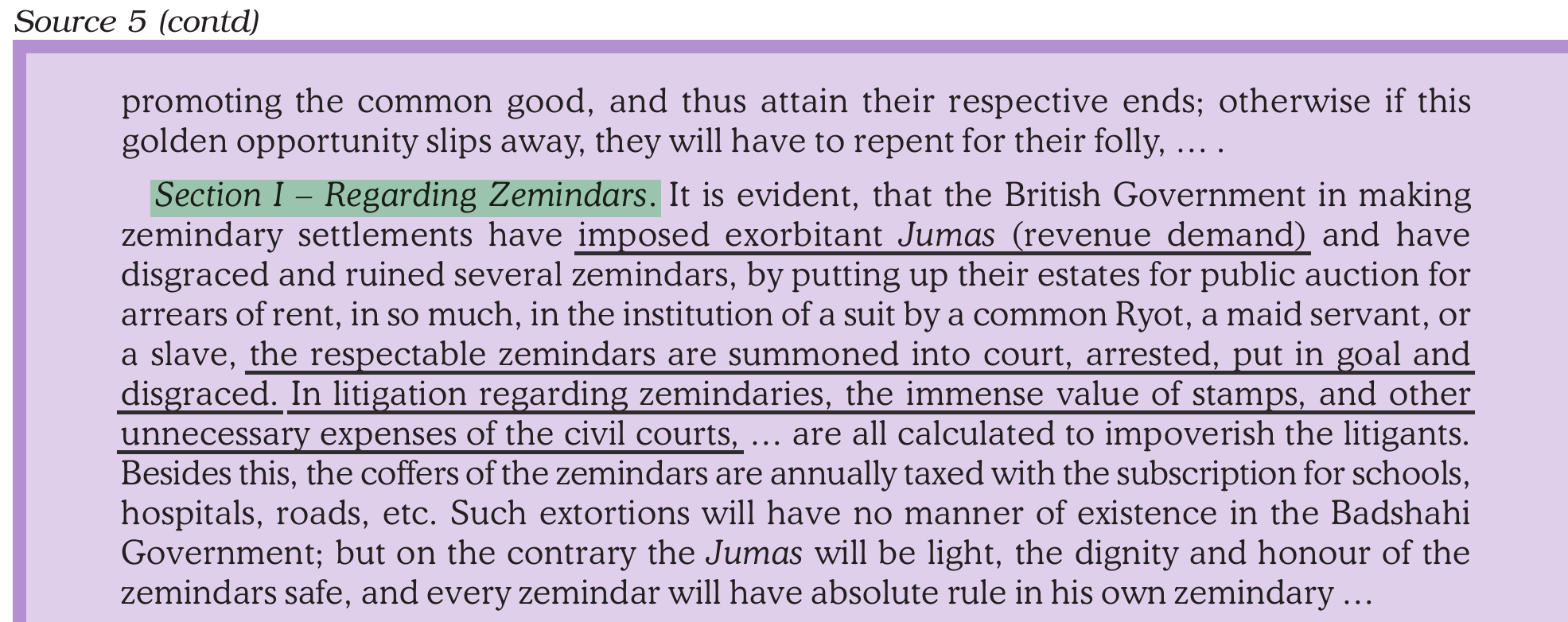
Section I - Regarding Zemindars. It is evident that the British Government in making zemindary settlement have imposed exorbitant Jumas (revenue demand) and have disgraced and ruined several Zemindars by putting up their estates for public auction for arrears of rent, in so much, in the institution of a suit by a common Ryot, a maid servant or a slave, the respectable Zemindars are summoned into court, arrested, put in goal and disgraced. In litigation regarding Zemindaries, the immense value of stamps, and other unnecessary expenses of the civil courts,... are all calculated to impoverish the litigants. Besides this, the coffers of the Zemindars are annually taxed with the subscription for schools, hospitals, roads, etc. Such extortions will have no manner of existence in the Badshahi Government; but on the contrary the Jumas will be light, the dignity and honour of the Zemindars safe, and every Zemindar will have absolute rule in his own Zemindary...
Which of the difficulties and miseries of the zamindars have NOT been addressed in the Proclamation?
Answer & explanation
Correct answer: option 4
The correct answer is Option (4) → Backwardness in communication and transportation.
The passage lists the grievances of the zemindars: exorbitant Jumas (revenue demand), estates auctioned for arrears, respectable zemindars summoned into court, arrested, put in gaol and disgraced at the suit of a common ryot, and the immense cost of stamps and court expenses in litigation. It also complains that the zemindars are taxed every year for schools, hospitals and roads; it says nothing about poor communication or transport as a hardship.
Hence, the answer is backwardness in communication and transportation.
NCERT: Themes in Indian History Part III — Chapter 10: Rebels and the Raj (2026-27)
|