Match List-I (factor) with List-II (situation in a firm):
| List-I | List-II | ||
|---|---|---|---|
| (A) | Government policies | (I) | A rival firm opens a new shop next door and sells at lower prices. |
| (B) | Technological changes | (II) | Workers’ enthusiasm for their job is low, but it cannot be put in numbers. |
| (C) | Competition | (III) | A new law limits the number of hours a factory can work in a day. |
| (D) | Employee morale | (IV) | A new kind of machine makes the firm’s old method of production slow. |
Choose the correct answer from the options given below:
Answer & explanation
Correct answer: option 3
The correct answer is Option (3) → (A)-(III), (B)-(IV), (C)-(I), (D)-(II)
| List-I | List-II | Reason |
|---|---|---|
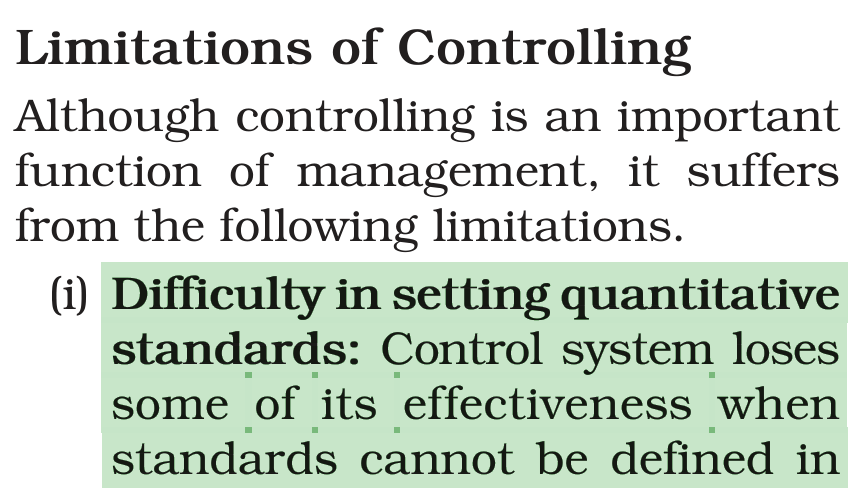
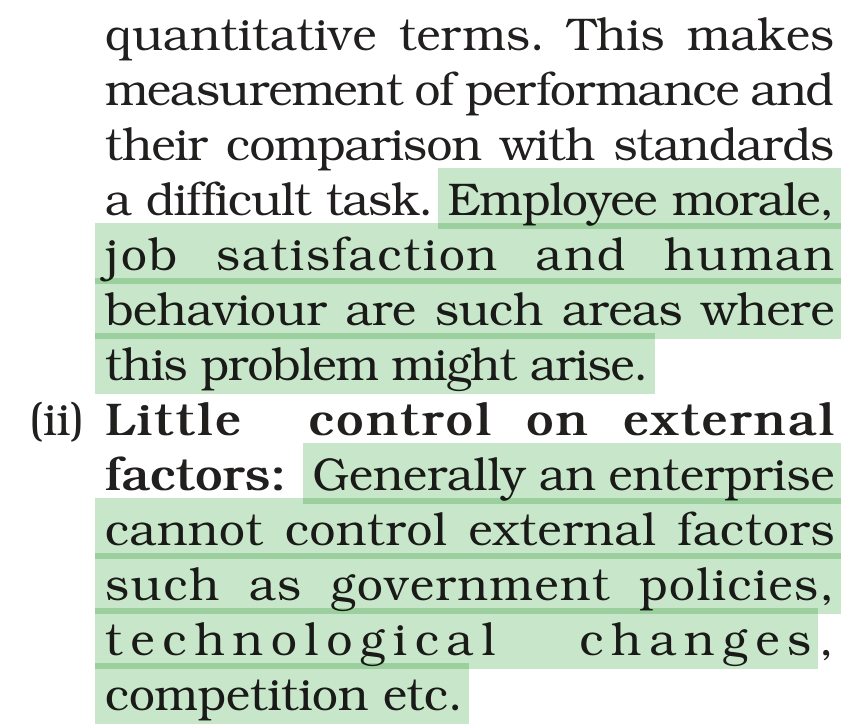
| (A) Government policies | (III) A new law limits the number of hours a factory can work in a day. | A law is made by the government. The firm cannot control it and must work within it. |
| (B) Technological changes | (IV) A new kind of machine makes the firm’s old method of production slow. | A new machine is a change in technology. It makes the firm’s own method out of date. |
| (C) Competition | (I) A rival firm opens a new shop next door and sells at lower prices. | A rival selling at lower prices is competition, an external factor the firm cannot control. |
| (D) Employee morale | (II) Workers’ enthusiasm for their job is low, but it cannot be put in numbers. | Morale is the workers’ enthusiasm for the job. It cannot be put in numbers, so a quantitative standard is hard to set. |
NCERT (2026-27 Edition):
|