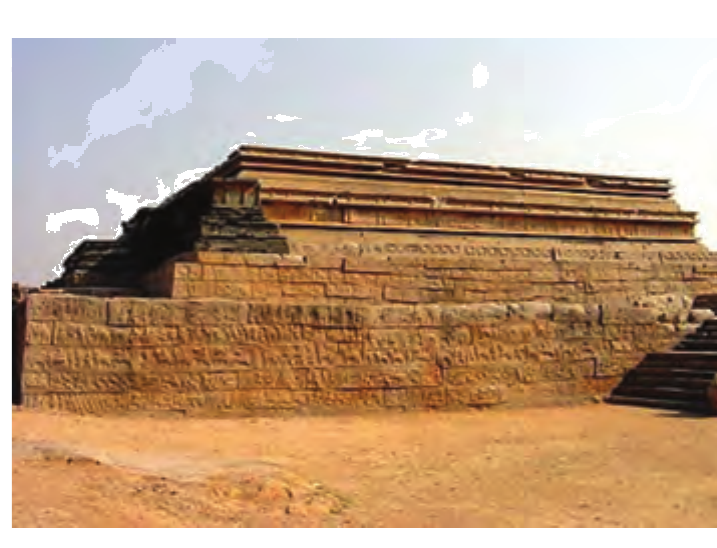
Identify the correct statements regarding the ‘Mahanavami-dibba’:
A. It was a massive platform rising from a base of about 11,000 sq. ft. to a height of 40 ft.
B. Rituals associated with the structure probably coincided with ‘Mahanavami’.
C. This was probably meant to be used only by the king and his family.
D. The Vijayanagara kings displayed their prestige, power and suzerainty on this occasion.
Choose the correct answer from the options given below:
Answer & explanation
Correct answer: option 1
The correct answer is Option (1) → A, B and D only
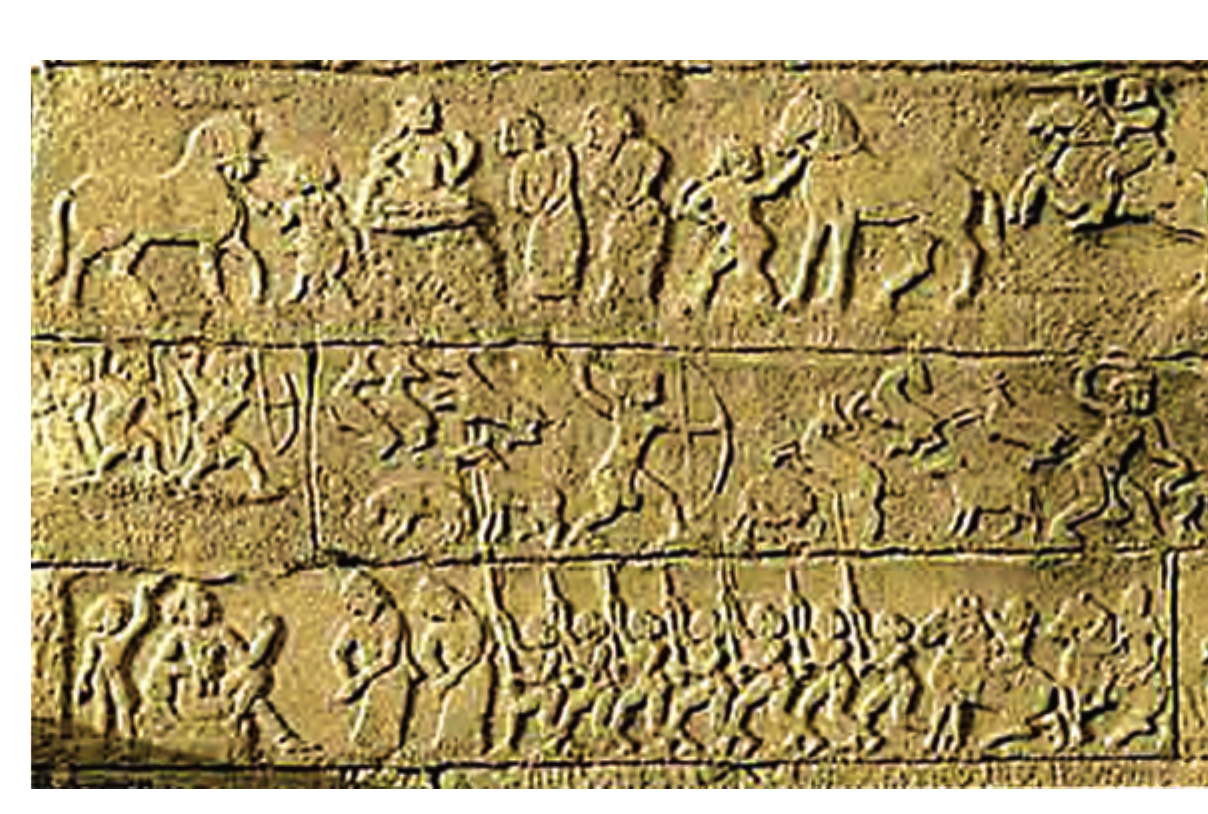
A. It was a massive platform rising from a base of about 11,000 sq. ft. to a height of 40 ft. Correct. Located on one of the highest points of Vijayanagara, the mahanavami dibba is a massive platform of that size. It probably supported a wooden structure, and its base is covered with relief carvings.
B. Rituals associated with the structure probably coincided with ‘Mahanavami’. Correct. Mahanavami, literally the great ninth day, is part of the ten-day Hindu festival of September and October, known as Dusehra in northern India, Durga Puja in Bengal and Navaratri or Mahanavami in peninsular India.
C. This was probably meant to be used only by the king and his family. Incorrect. This is said of the Hazara Rama temple, a temple in the royal centre, not of the mahanavami dibba. The dibba was the stage of a great public festival, with the king’s guests, nayakas and subordinate kings present.
D. The Vijayanagara kings displayed their prestige, power and suzerainty on this occasion. Correct. The ceremonies included worship of the image and of the state horse, dances, wrestling matches and processions of horses, elephants, chariots and soldiers, as well as ritual presentations before the king by the chief nayakas and subordinate kings.
NCERT (2025-26): “4.1 The mahanavami dibba … Located on one of the highest points in the city, the ‘mahanavami dibba’ is a massive platform rising from a base of about 11,000 sq. ft to a height of 40 ft. There is evidence that it supported a wooden structure. The base of the platform is covered with relief carvings (Fig. 7.12). Rituals associated with the structure probably coincided with Mahanavami (literally, the great ninth day) of the ten-day Hindu festival during the autumn months of September and October, known variously as Dusehra (northern India), Durga Puja (in Bengal) and Navaratri or Mahanavami (in peninsular India). The Vijayanagara kings displayed their prestige, power and suzerainty on this occasion. The ceremonies performed on the occasion included worship of the image, worship of the state horse, and the sacrifice of buffaloes and other animals. Dances, wrestling matches, and processions of caparisoned horses, elephants and chariots and soldiers, as well as ritual presentations before the king and his guests by the chief nayakas and subordinate kings marked the occasion.… 4.2 Other buildings in the royal centre … One of the most spectacular of these is one known as the Hazara Rama temple. This was probably meant to be used only by the king and his family.…”
|