Match List-I with List-II
| List-I (Name) | List-II (Work) | ||
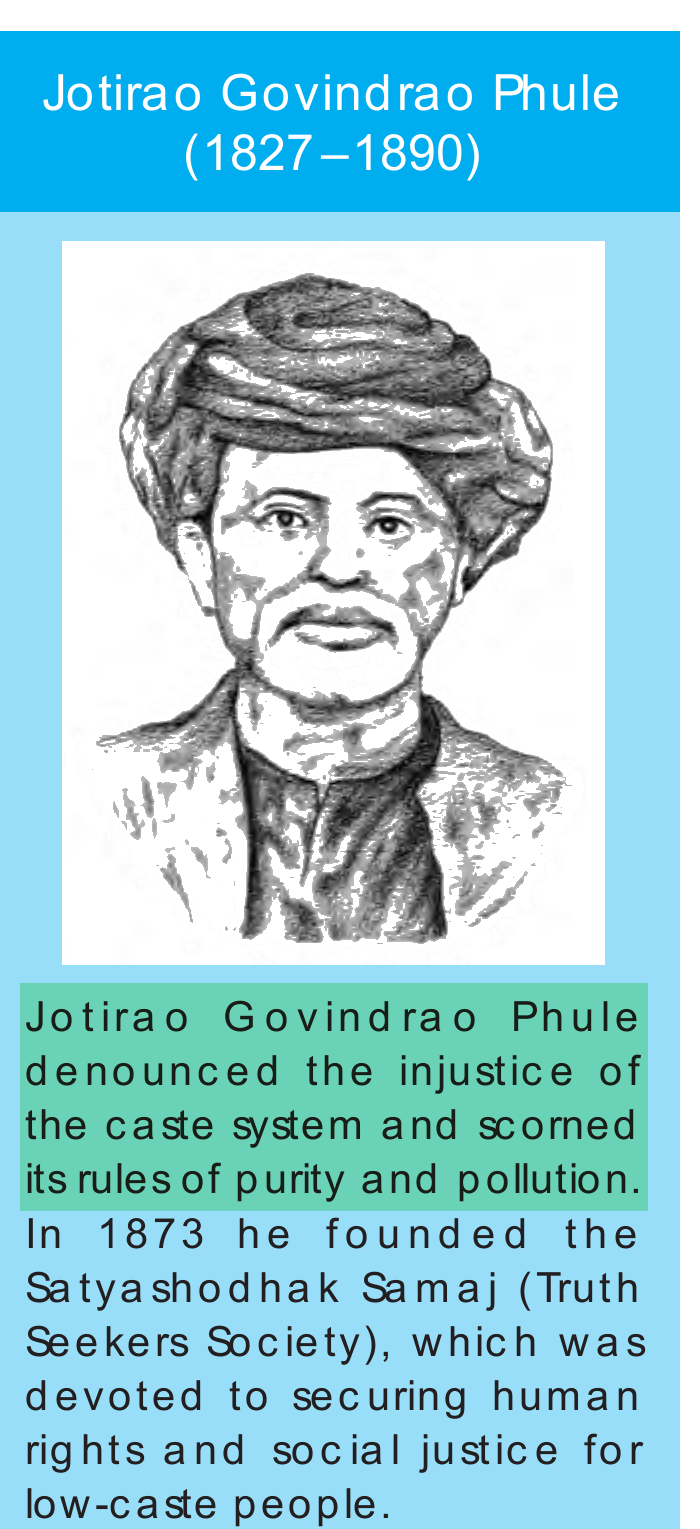
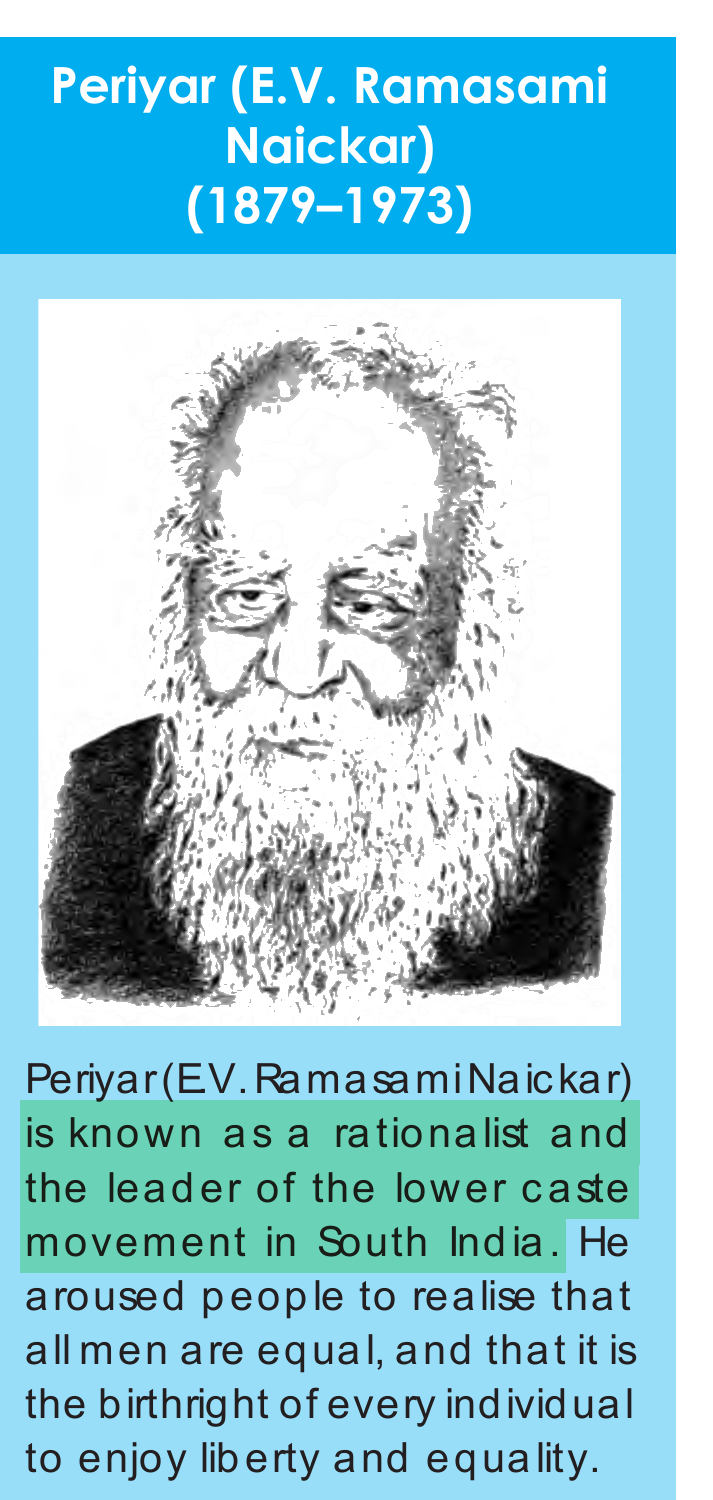
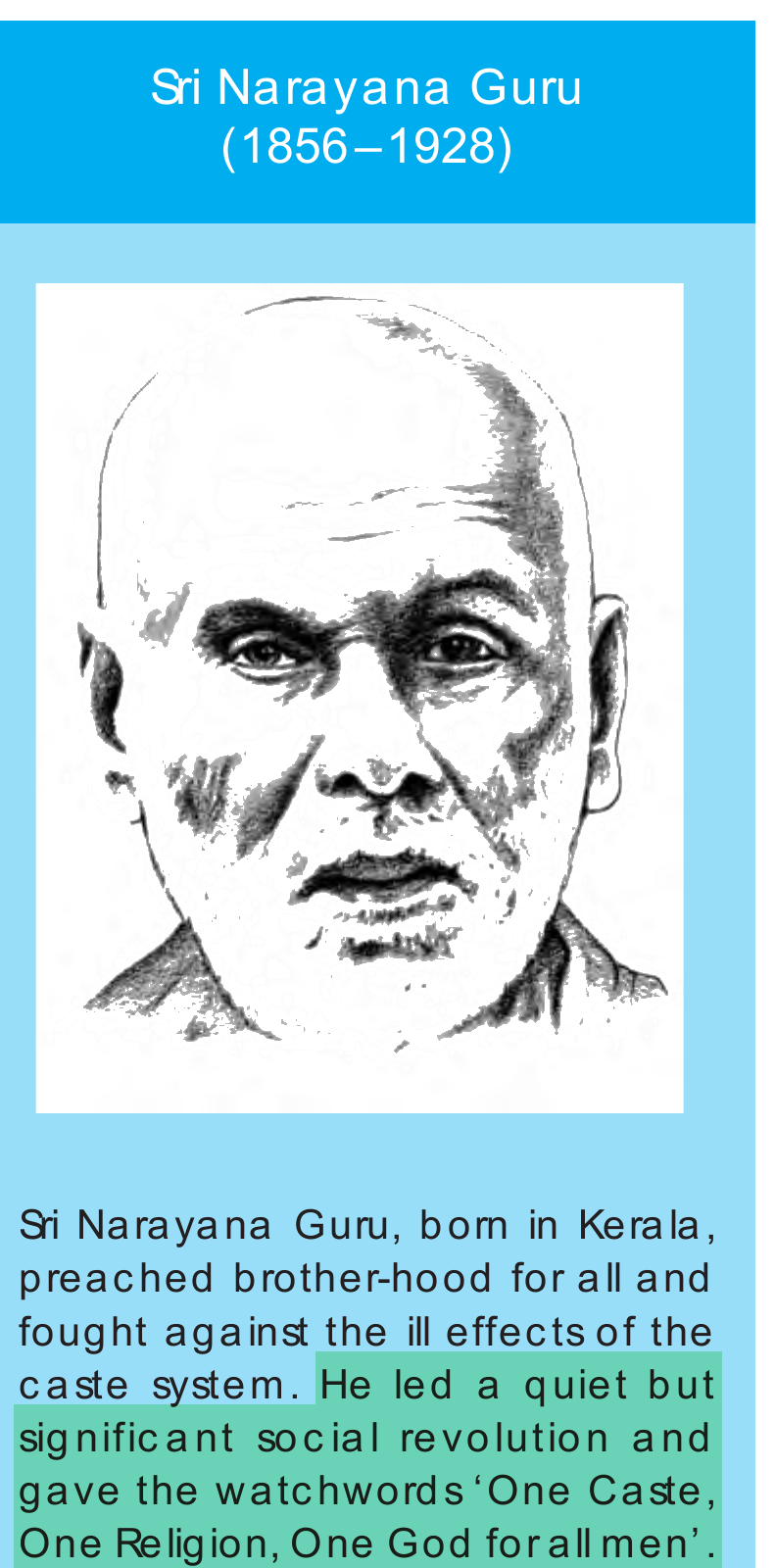
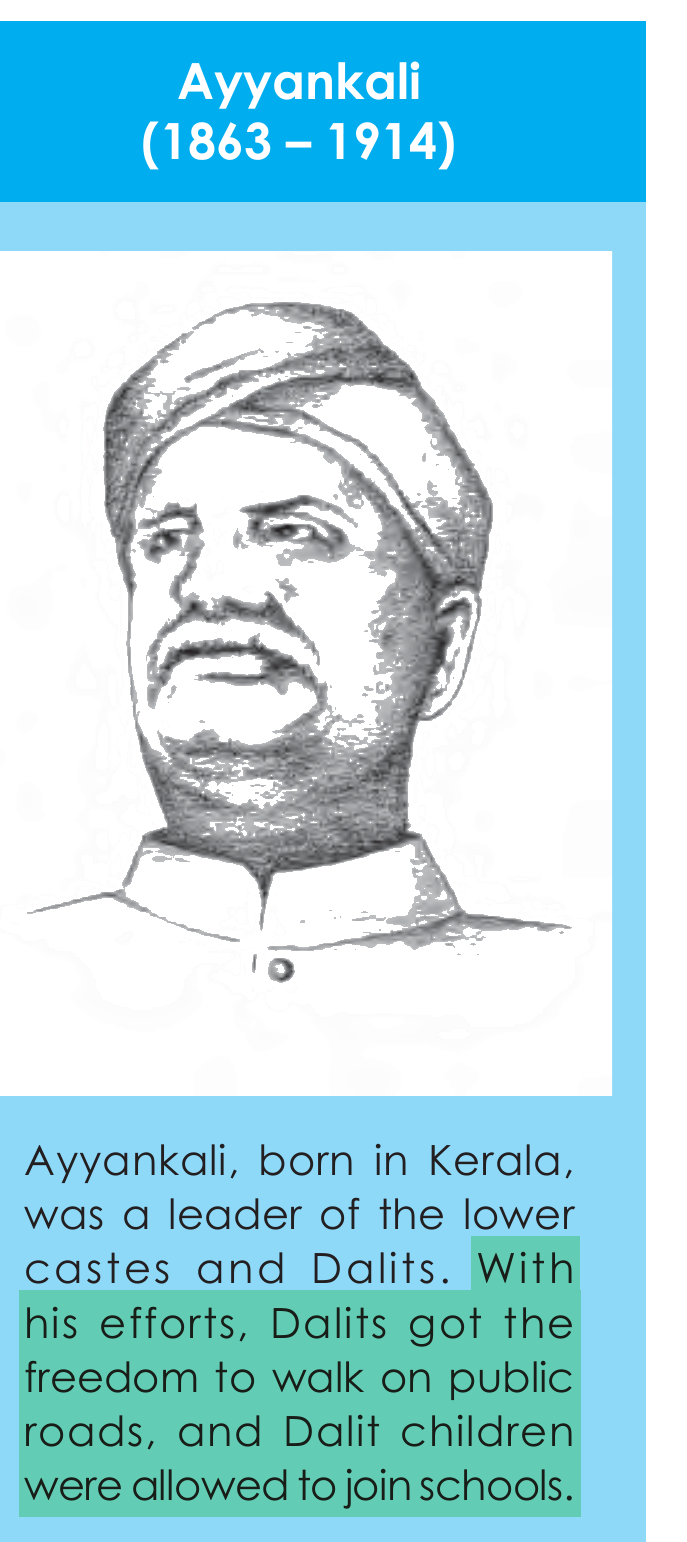
| (A) | Jotirao Govindrao Phule | (I) | leader of the lower-caste movement in South India and a rationalist |
| (B) | E.V. Ramasami Naickar | (II) | advocated for 'One Caste, One Religion, One God for all men' |
| (C) | Sri Narayana Guru | (III) | critiqued the rules of purity and pollution of caste-based society |
| (D) | Ayyankali | (IV) | secured the freedom to walk on public roads for Dalits |
Choose the correct answer from the options given below:
Answer & explanation
Correct answer: option 4
The correct answer is Option (4) → (A)-(III), (B)-(I), (C)-(II), (D)-(IV)
(A) Jotirao Govindrao Phule — this matches (III) critiqued the rules of purity and pollution of caste-based society. He denounced the injustice of the caste system and scorned its rules of purity and pollution.
(B) E.V. Ramasami Naickar — this matches (I) leader of the lower-caste movement in South India and a rationalist. Periyar is known as a rationalist and the leader of the lower caste movement in South India.
(C) Sri Narayana Guru — this matches (II) advocated for ‘One Caste, One Religion, One God for all men’. He gave these watchwords and fought against the ill effects of the caste system.
(D) Ayyankali — this matches (IV) secured the freedom to walk on public roads for Dalits. With his efforts Dalits got the freedom to walk on public roads, and Dalit children were allowed to join schools.
NCERT (2025-26): “…Efforts to organise the ‘depressed classes’ and particularly the untouchable castes predated the nationalist movement, having begun in the second half of the nineteenth century. This was an initiative taken from both ends of the caste spectrum – by upper caste progressive reformers as well as by members of the lower castes such as Mahatma Jotiba Phule and Babasaheb Ambedkar in western India, Ayyankali, Sri Narayana Guru, Iyotheedass and Periyar (E.V. Ramaswamy Naickar) in the South. Both Mahatma Gandhi and Babasaheb Ambedkar began organising protests against untouchability from the 1920s onwards. Anti-untouchability programmes became a significant part of the Congress agenda so that, by the time Independence was on the horizon, there was a broad agreement across the spectrum of the nationalist movement to abolish caste distinctions.…”
|