Match the LIST-I with LIST-II:
| LIST-I Architecture | LIST-II Associations | ||
| A. | Gopuram | I. | Indo-Islamic techniques |
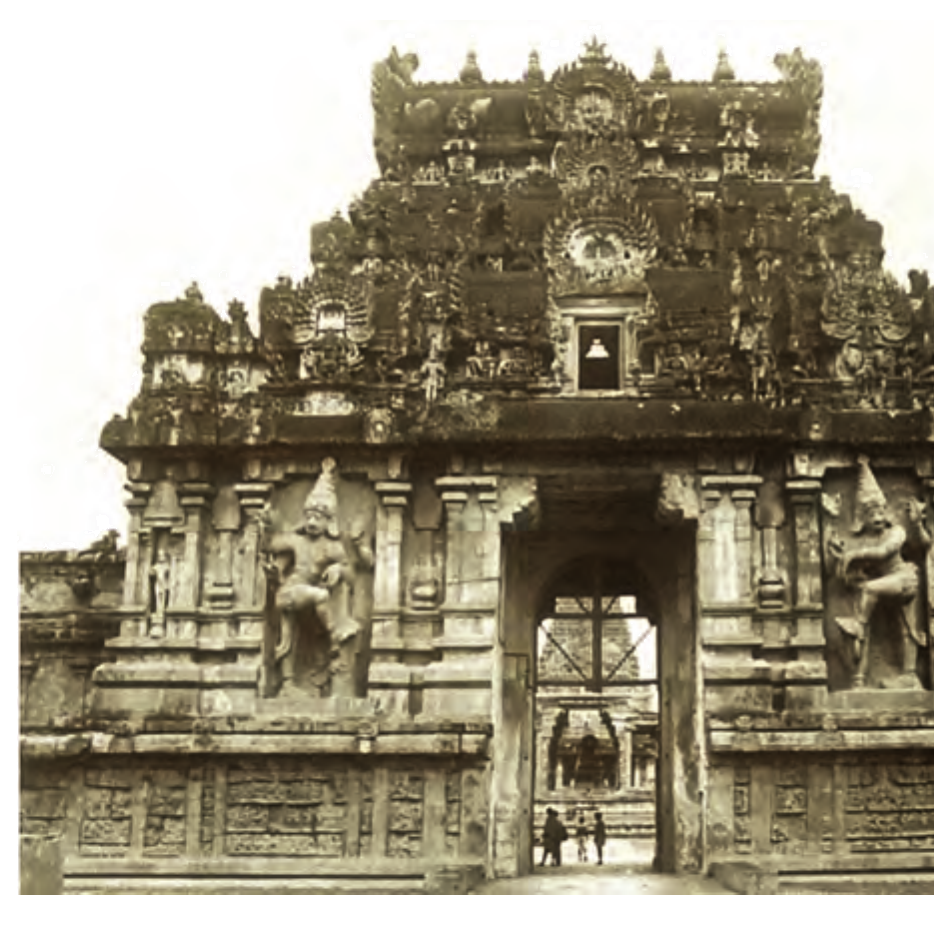
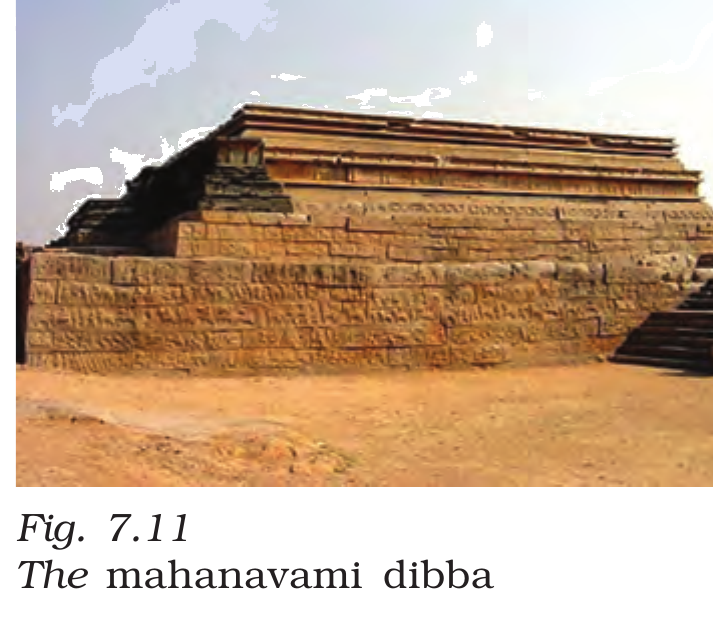
| B. | Mahanavami dibba | II. | Gateway |
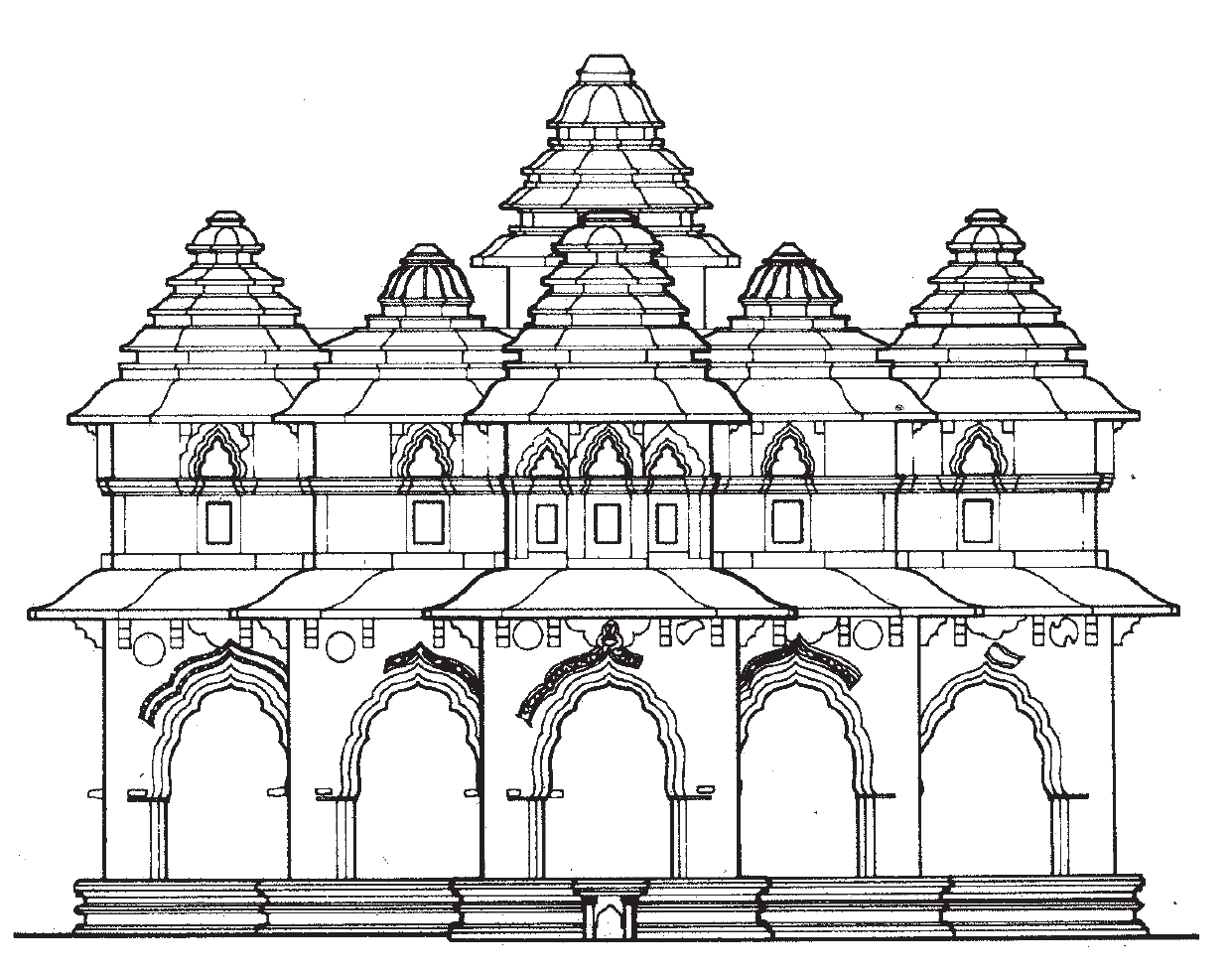
| C. | Lotus Mahal | III. | Platform |
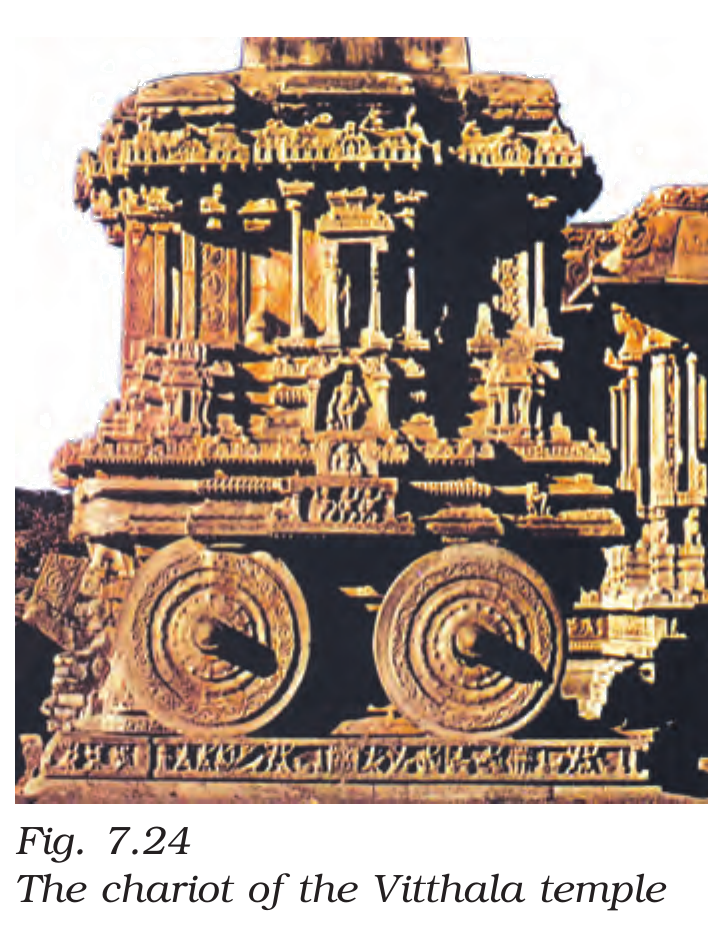
| D. | Vitthala temple | IV. | Chariot |
Choose the correct answer from the options given below:
Answer & explanation
Correct answer: option 1
The correct answer is Option (1) → A - II, B - III, C - I, D - IV
(A) Gopuram — this matches (II) Gateway. A gopuram is the towering gateway of a south Indian temple. The rulers of Vijayanagara added huge gopurams to temples to announce the presence of the temple from a distance and to show their own power.
(B) Mahanavami dibba — this matches (III) Platform. It is a massive platform on one of the highest points of the city, rising from a base of about 11,000 sq. ft to a height of 40 ft. Rituals of the Mahanavami festival were probably held on it.
(C) Lotus Mahal — this matches (I) Indo-Islamic techniques. The arches of this building in the royal centre were probably inspired by Indo-Islamic techniques, the style of building brought in by the Turkish Sultans.
(D) Vitthala temple — this matches (IV) Chariot. This temple has a unique shrine designed as a chariot, and chariot streets ran from the temple gopuram in a straight line.
NCERT (2025-26): “4.1 The mahanavami dibba … Located on one of the highest points in the city, the ‘mahanavami dibba’ is a massive platform rising from a base of about 11,000 sq. ft to a height of 40 ft. There is evidence that it supported a wooden structure. The base of the platform is covered with relief carvings (Fig. 7.12).… 5.2. Gopurams and mandapas … Another shrine, the Vitthala temple, is also interesting. Here, the principal deity was Vitthala, a form of Vishnu generally worshipped in Maharashtra. The introduction of the worship of the deity in Karnataka is another indication of the ways in which the rulers of Vijayanagara drew on different traditions to create an imperial culture. As in the case of other temples, this temple too has several halls and a unique shrine designed as a chariot (Fig. 7.24). A characteristic feature of the temple complexes is the chariot streets that extended from the temple gopuram in a straight line.…”
|