Match List I with List II
| LIST-I | LIST-II | ||
| A. | Leading journal for women in the Punjab | I. | 1870 |
| B. | All India Muslim Ladies Conference was founded | II. | Tahsib-e-Niswan |
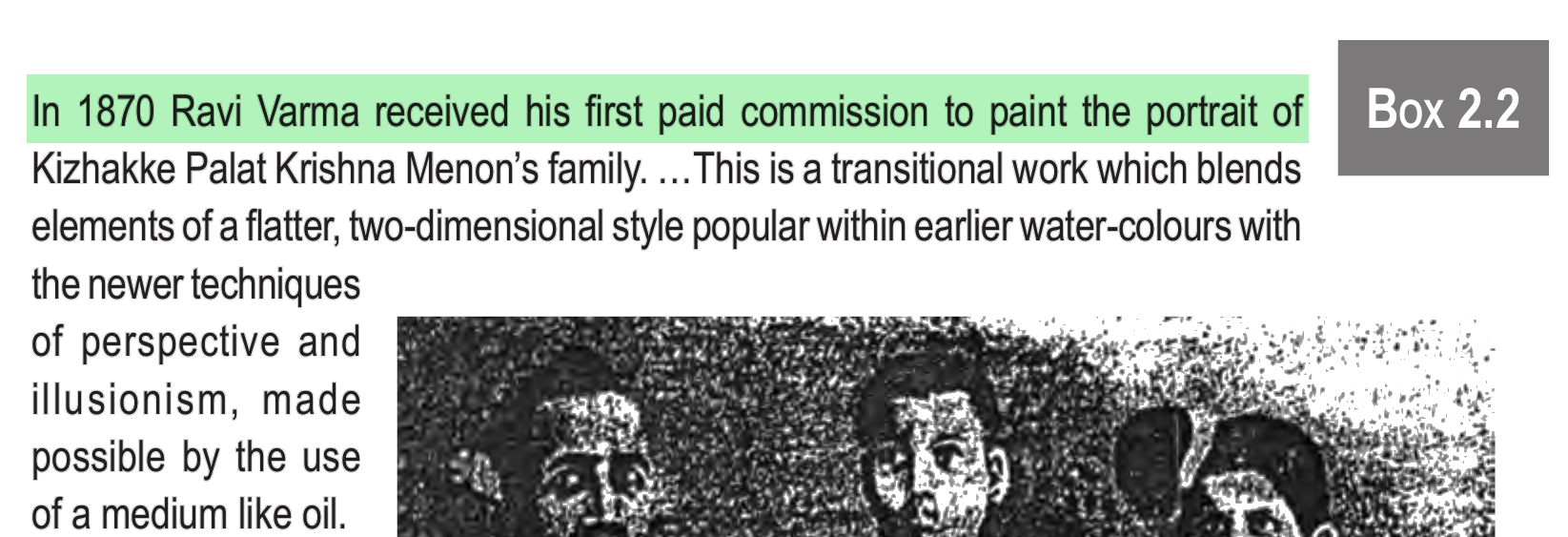
| C. | Ravi Varma received his first paid commission | III. | 1914 |
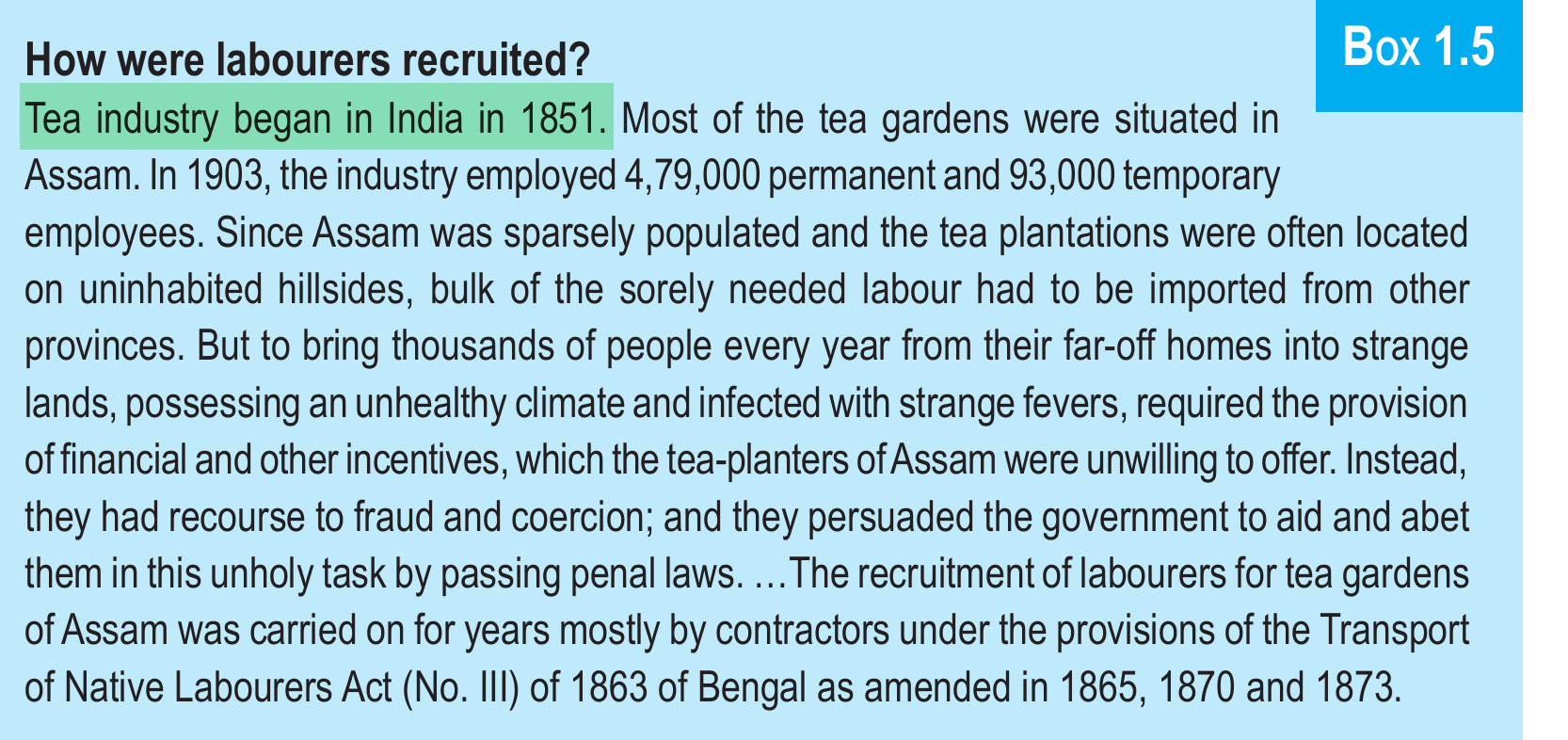
| D. | Tea industry began in India | IV. | 1851 |
Choose the correct answer from the options given below:
Answer & explanation
Correct answer: option 2
The correct answer is Option (2) → A-II, B-III, C-I, D-IV
(A) Leading journal for women in the Punjab — this matches (II) Tahsib-e-Niswan.
(B) All India Muslim Ladies Conference was founded — this matches (III) 1914.
(C) Ravi Varma received his first paid commission — this matches (I) 1870.
(D) Tea industry began in India — this matches (IV) 1851.
NCERT (2025-26): “2.1 Social reform movements in the 19th and early 20th century … Modern social organisations like the Brahmo Samaj in Bengal and Arya Samaj in Punjab were set up. The All-India Muslim Ladies Conference (AnjumanE-Khawatn-E-Islam) was founded in 1914. Indian reformers debated not just in public meetings but through public media like newspapers and journals. Translations of writings of social reformers from one Indian language to another took place. For instance, Vishnu Shastri published a Marathi translation of Vidyasagar’s book in Indu Prakash in 1868.…” “…The resolution condemning polygamy caused considerable debate in the Muslim press. Tahsib-e-Niswan, the leading journal for women in the Punjab, came out in favour of the resolve, but others disapproved.…”
Box 2.2 (NCERT 2025-26)
Box 1.5, Colonialism, Industrialisation and Urbanisation (NCERT 2025-26) |