____________ records gifts made to religious institutions.
Answer & explanation
Correct answer: option 1
The correct answer is Option (1) → Votive inscription
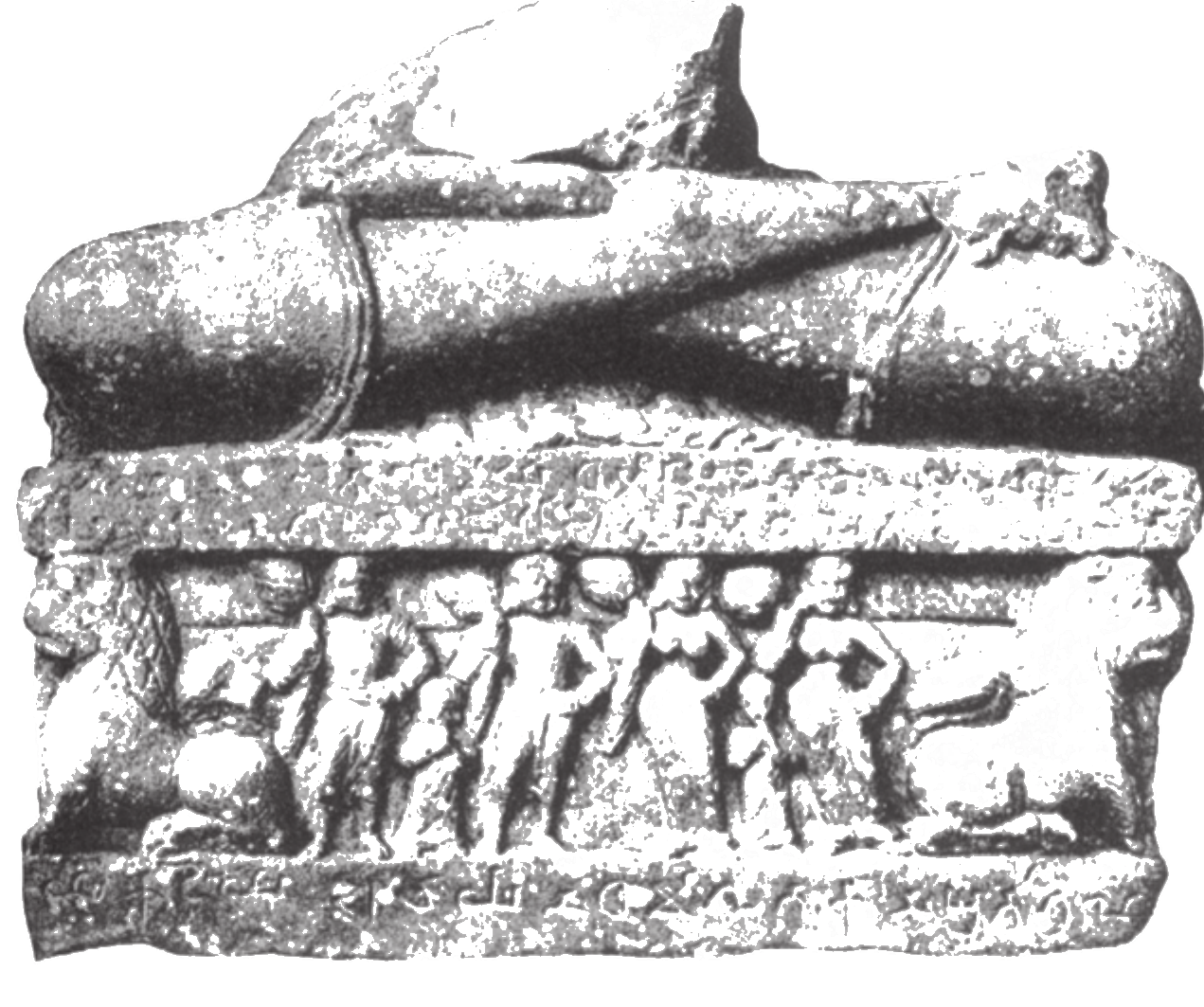
A votive inscription records a gift made to a religious institution. By the second century BCE short votive inscriptions are found in many cities. They name the donor and sometimes his or her occupation, so they tell us about the washing folk, weavers, goldsmiths, merchants and other people who lived in towns. A pedestal from Mathura carries one: Nagapiya, the wife of a goldsmith, installed the image in a shrine.
The other options are related words: numismatics is the study of coins; artefacts are objects made by people, such as pots, tools and seals; the Manusmriti is a legal text in Sanskrit.
NCERT (2025-26): “Arabian SEA … By the second century BCE, we find short votive inscriptions in a number of cities. These mention the name of the donor, and sometimes specify his/ her occupation as well. They tell us about people who lived in towns: washing folk, weavers, scribes, carpenters, potters, goldsmiths, blacksmiths, officials, religious teachers, merchants and kings. Sometimes, guilds or shrenis, organisations of craft producers and merchants, are mentioned as well. These guilds probably procured raw materials, regulated production, and marketed the finished product.… Votive inscriptions record gifts made to religious institutions.”
Fig. 2.6 The gift of an image This is part of an image from Mathura. On the pedestal is a Prakrit inscription, mentioning that a woman named Nagapiya, the wife of a goldsmith (sovanika) named Dharmaka, installed this image in a shrine. |