
During isolation of DNA, the purified DNA precipitates out after the addition of chilled ethanol and can be seen as a collection of fine threads in the suspension. How is this DNA removed from the suspension?
Answer & explanation
Correct answer: option 2
The correct answer is Option (2) → Spooling
To isolate DNA, the cells are broken open and the RNA, proteins and other molecules are removed. When chilled ethanol is added, the purified DNA precipitates and shows up as fine threads in the suspension. These threads are then taken out of the suspension by spooling (Figure 9.5).
Option (1) Elution — Incorrect. Elution is the step in which separated DNA bands are cut out of an agarose gel and the DNA is extracted from the gel piece. No gel is used here.
Option (2) Spooling — Correct. Spooling removes the DNA threads that separate out after chilled ethanol is added.
Option (3) Denaturation — Incorrect. Denaturation is the first step of each PCR cycle, in which the two DNA strands are separated by high temperature. It does not take DNA out of a suspension.
Option (4) Gel electrophoresis — Incorrect. Gel electrophoresis separates DNA fragments by size. It is used after the DNA has been cut, not to collect precipitated DNA.
Note: The word ‘spooling’ appears only once in the chapter, in the caption below the test-tube photos of Figure 9.5. One word under a photograph made a full question, so give the photos a second look.
NCERT Extract:
Isolation of the Genetic Material (DNA) – “… The RNA can be removed by treatment with ribonuclease whereas proteins can be removed by treatment with protease. Other molecules can be removed by appropriate treatments and purified DNA ultimately precipitates out after the addition of chilled ethanol. This can be seen as collection of fine threads in the suspension (Figure 9.5).”
Figure 9.5 – “DNA that separates out can be removed by spooling”
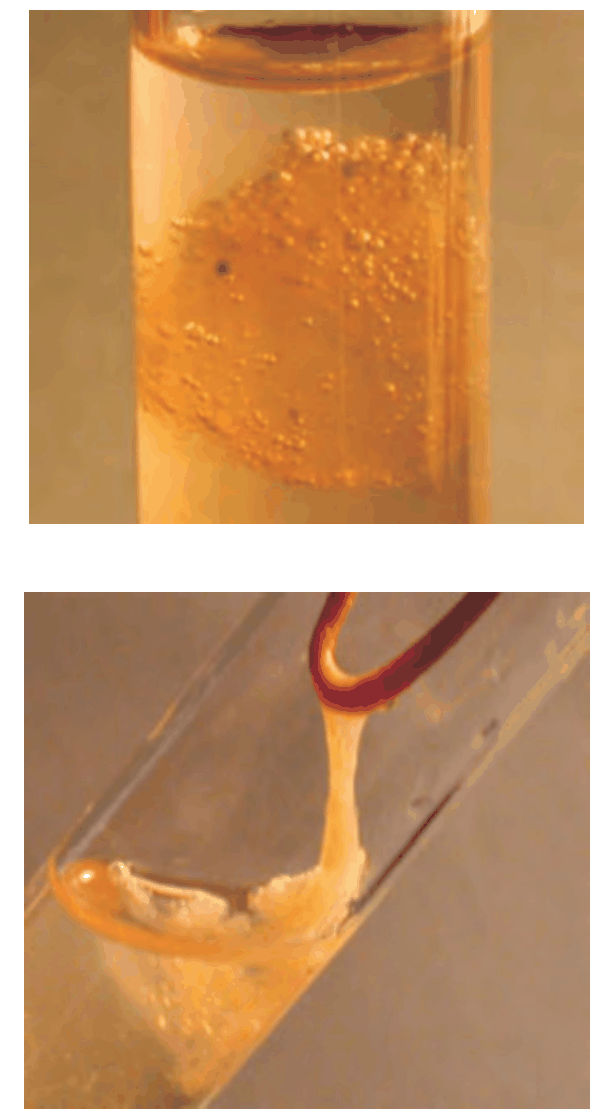
Figure 9.5 DNA that separates out can be removed by spooling