Which of the following is not a symbol of the Buddha?
Answer & explanation
Correct answer: option 4
The correct answer is Option (4) → Shalabhanjika
Many early sculptors did not show the Buddha in human form but showed his presence through symbols; each option is checked against them.
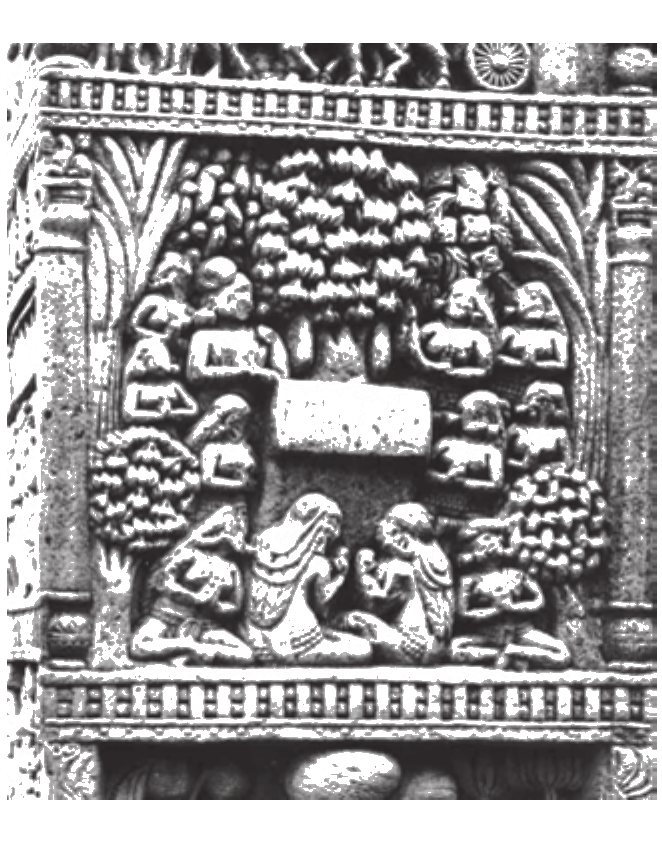
Option (1) The Empty Seat — Correct statement. The empty seat was meant to indicate the meditation of the Buddha.
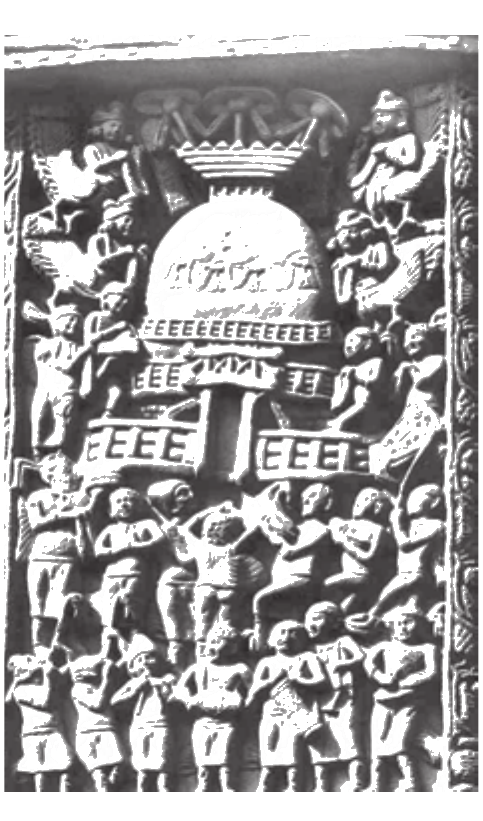
Option (2) Stupa — Correct statement. The stupa was meant to represent the mahaparinibbana.
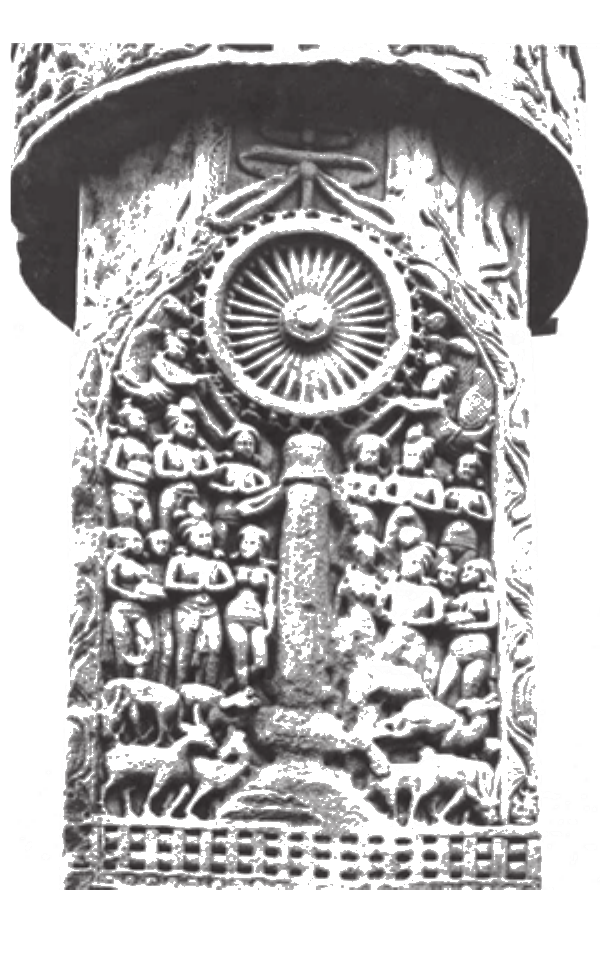
Option (3) Wheel — Correct statement. The wheel stood for the first sermon of the Buddha, delivered at Sarnath.
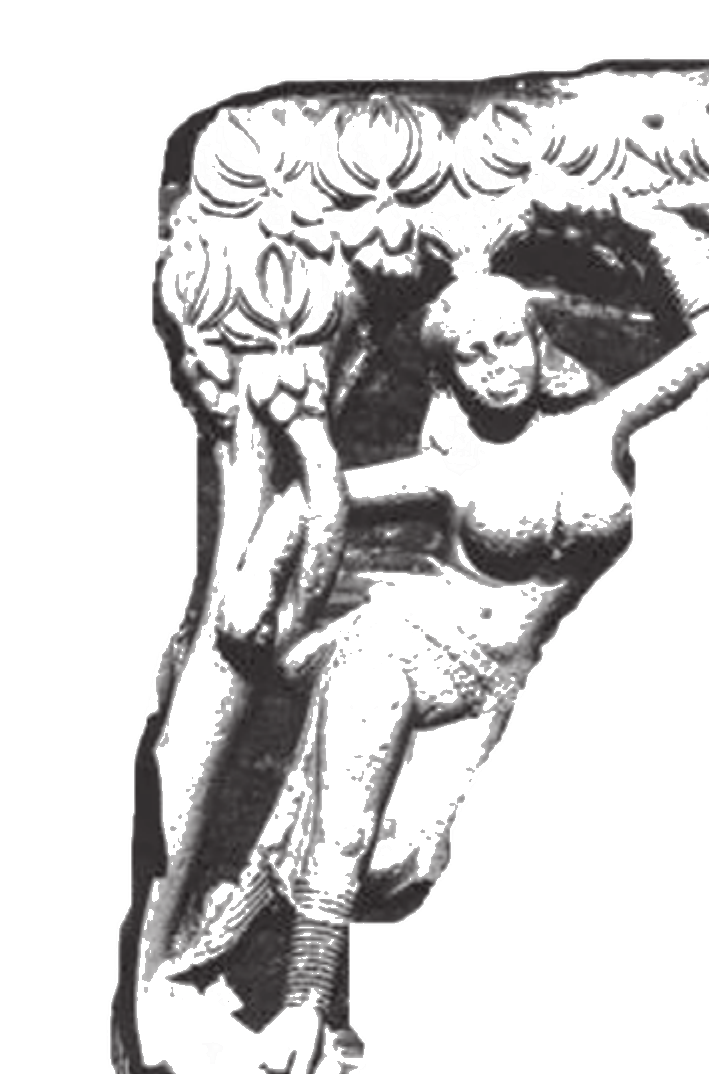
Option (4) Shalabhanjika — Incorrect statement. According to popular belief, the shalabhanjika was a woman whose touch caused trees to flower and bear fruit. It was an auspicious motif added to the decoration of the stupa, brought into Buddhism by people with pre-Buddhist and non-Buddhist beliefs, not a symbol of the Buddha.
NCERT (2026-27): “9.2 Symbols of worship … Many early sculptors did not show the Buddha in human form – instead, they showed his presence through symbols. The empty seat (Fig. 4.14) was meant to indicate the meditation of the Buddha, and the stupa (Fig. 4.15) was meant to represent the mahaparinibbana. Another frequently used symbol was the wheel (Fig. 4.16). This stood for the first sermon of the Buddha, delivered at Sarnath.… 9.3 Popular traditions … However, after examining other literary traditions, they realised that it could be a representation of what is described in Sanskrit as a shalabhanjika. According to popular belief, this was a woman whose touch caused trees to flower and bear fruit. It is likely that this was regarded as an auspicious symbol and integrated into the decoration of the stupa.…”
|