Match List-I with List-II
| LIST I (Authors/Reformers) | LIST II (Books/Reform/Idea) | ||
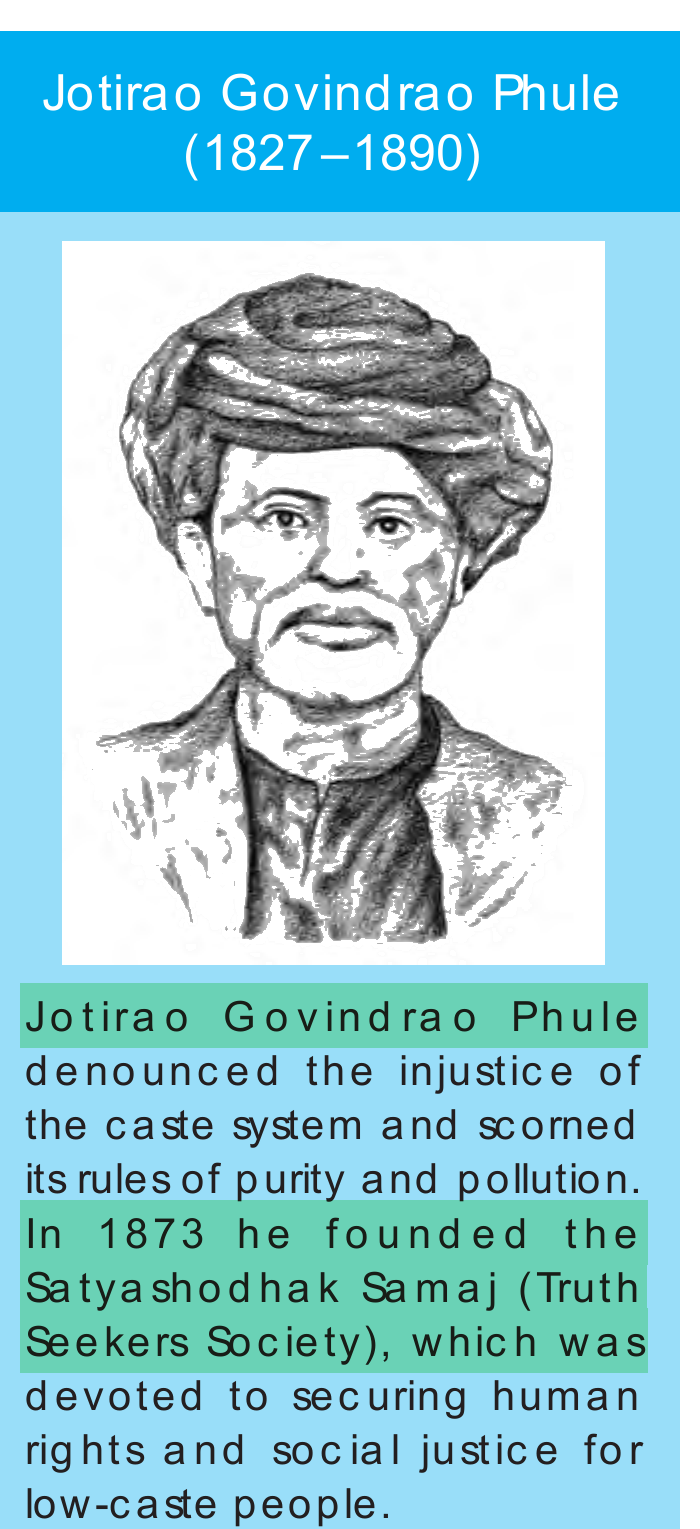
| (A) | Jotirao Phule | (I) | The term 'joint family' itself is not a native category. |
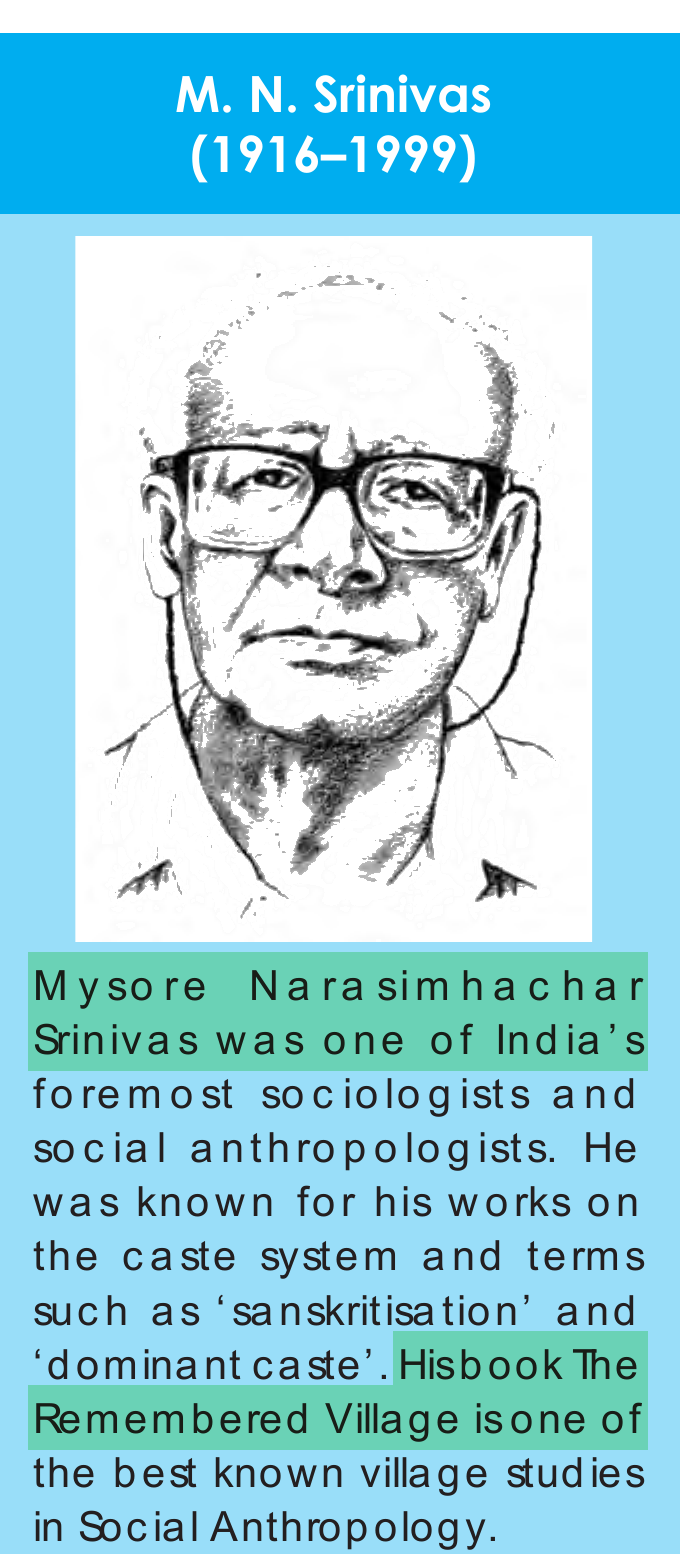
| (B) | M.N. Srinivas | (II) | Culture, Politics and Identity: The Case of the Tribes in India |
| (C) | I. P. Desai | (III) | Satyashodhak Samaj |
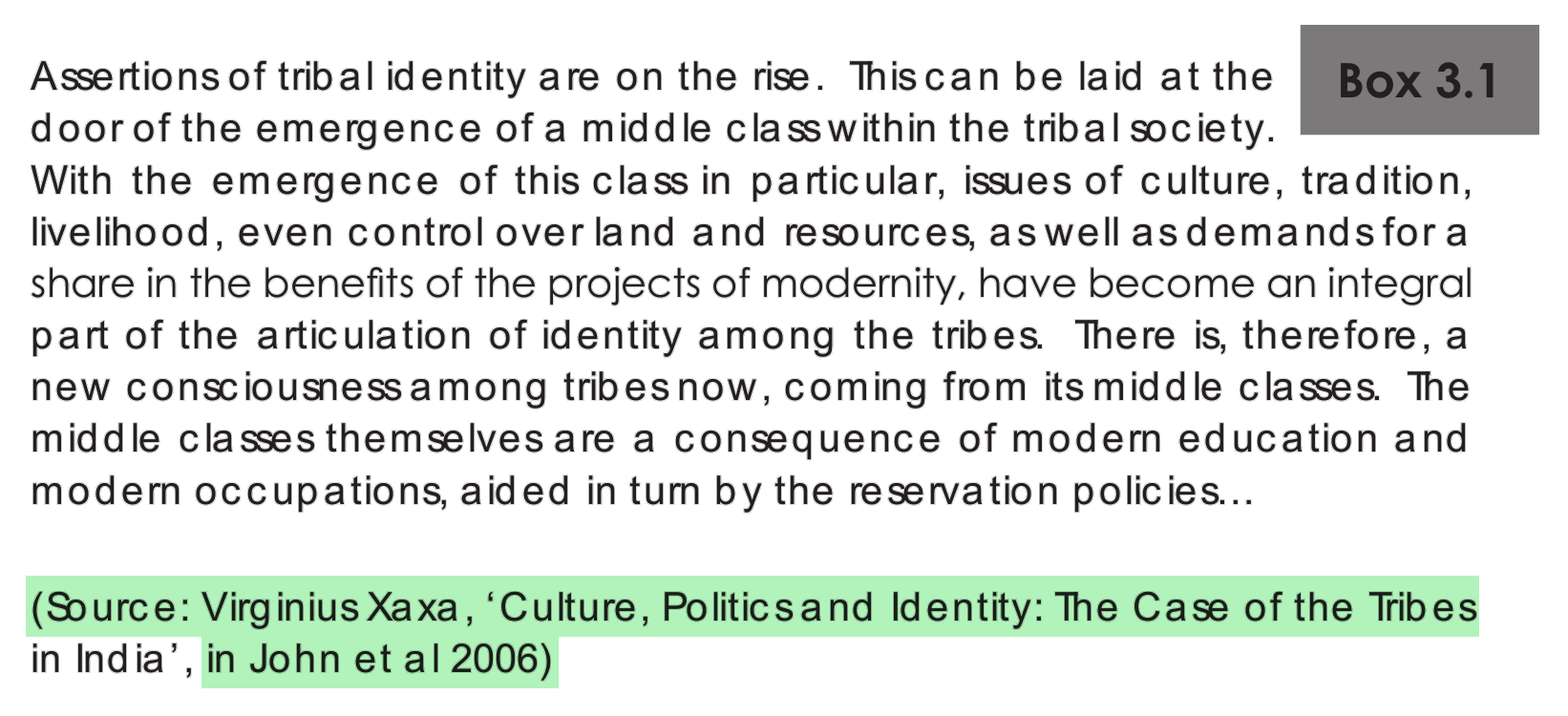
| (D) | Virginius Xaxa | (IV) | The Remembered Village |
Choose the correct answer from the options given below:
Answer & explanation
Correct answer: option 4
The correct answer is Option (4) → (A)-(III), (B)-(IV), (C)-(I), (D)-(II)
(A) Jotirao Phule — this matches (III) Satyashodhak Samaj, which he founded in 1873.
(B) M.N. Srinivas — this matches (IV) The Remembered Village.
(C) I. P. Desai — this matches (I) The term ‘joint family’ itself is not a native category.
(D) Virginius Xaxa — this matches (II) Culture, Politics and Identity: The Case of the Tribes in India.
Tip: NTA picks names and titles even from the source line printed under a quoted passage and from the profile boxes in the margin; give them a glance while reading the chapter.
NCERT (2025-26): “3.3 Family and Kinship … Indeed the term ‘joint family’ itself is not a native category. As I.P. Desai observes, ‘The expression ‘joint family’ is not the translation of any Indian word like that. It is interesting to note that the words used for joint family in most of the Indian languages are the equivalents of translations of the English word ‘joint family’.’ (Desai 1964:40)…”
|