Arrange following alcohols in increasing order of their pKa values.
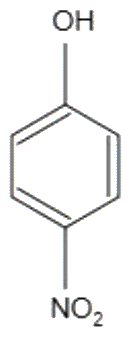
(A)
(B)
(C)
(D) CH3CH2OH
Choose correct answer from options given below:
Answer & explanation
Correct answer: option 2
The correct answer is Option (2) → (A), (B) , (C) , (D)
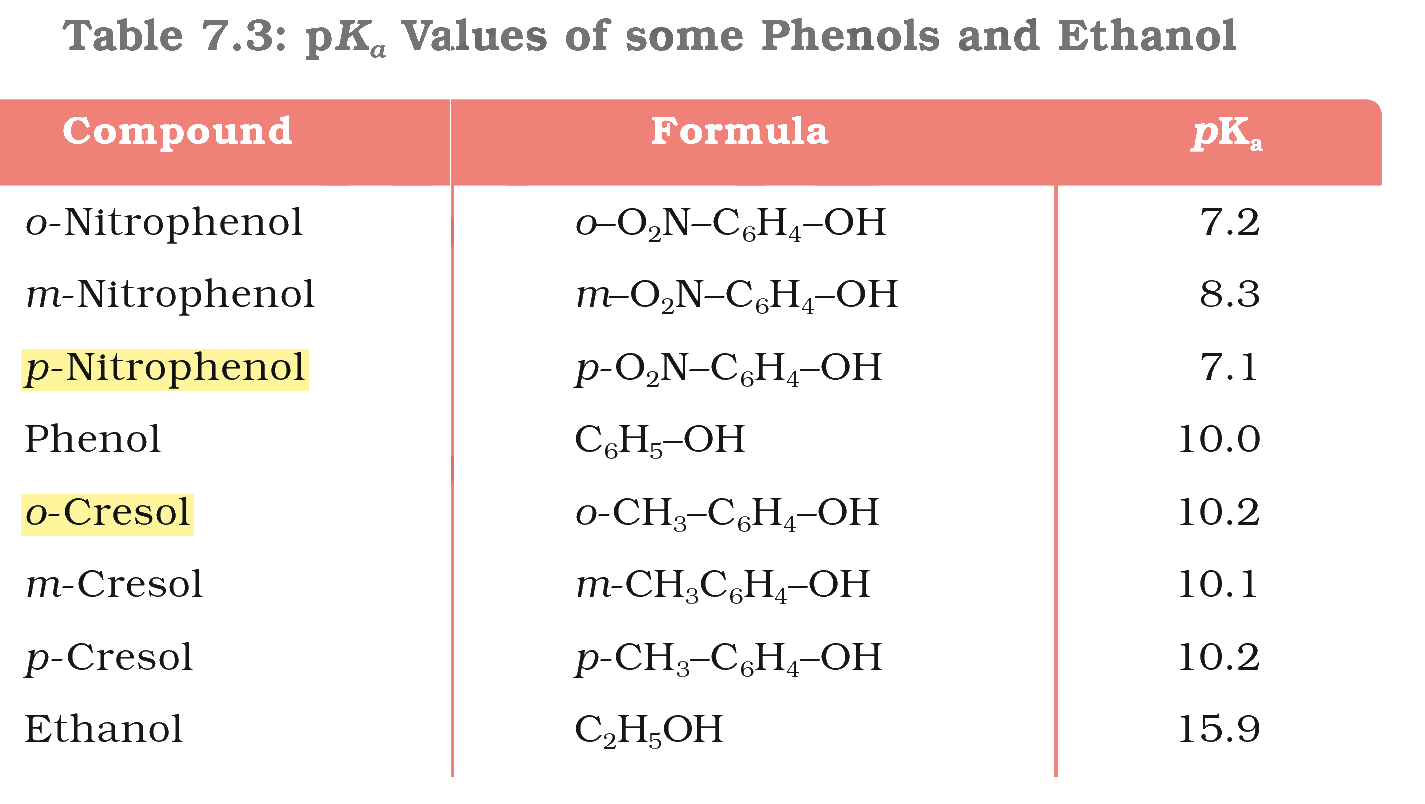
The strength of an acid is measured by pKa = −log Ka: the lower the pKa, the stronger the acid. So increasing pKa means decreasing acidity. For hydroxy compounds the acidity depends on the stability of the anion left after losing \( \ce{H^{+}} \):
Phenols vs alcohols: the phenoxide ion is stabilised by resonance with the ring; the ethoxide ion is not, and the ethyl group (+I) even destabilises it. So phenols are far more acidic than ethanol.
Electron withdrawing group (–\( \ce{NO2} \) at para): spreads the negative charge further and lowers pKa.
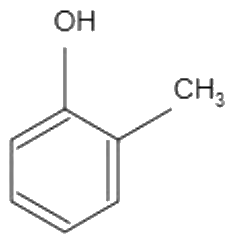
Electron releasing group (–\( \ce{CH3} \)): increases the charge on oxygen and raises pKa.
Matching the given compounds:
(A) 4-nitrophenol: –\( \ce{NO2} \) para, lowers pKa
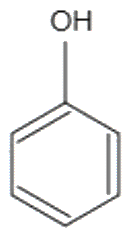
(B) phenol
(C) 2-methylphenol (o-cresol): –\( \ce{CH3} \), raises pKa
(D) \( \ce{CH3CH2OH} \): ethanol, no resonance in the anion
Shortcut: Options (2) and (3) both start with 4-nitrophenol (A) and end with ethanol (D). Phenol (10.0) is more acidic than o-cresol (10.2), so (B) comes before (C): Option (2).
Note: It seems that there is a mistake in the original NTA paper, which prints alcohols when it should read hydroxy compounds (A, B and C are phenols; only D, ethanol, is an alcohol).
NCERT (2026-27 edition):
Acidity of Phenols – …