Match List-I with List-II:
| List-I Excavational-Findings | List-II Sites | ||
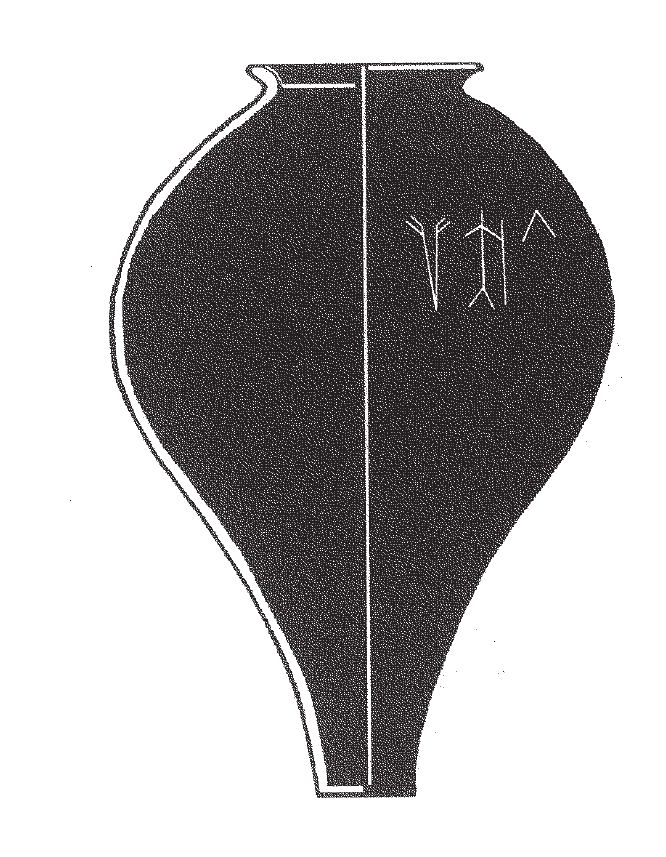
| (A) | A large Harappan jar coated with a thick layer of black clay | (I) | Shortughai |
| (B) | Best source of lapis lazuli | (II) | Bahrain |
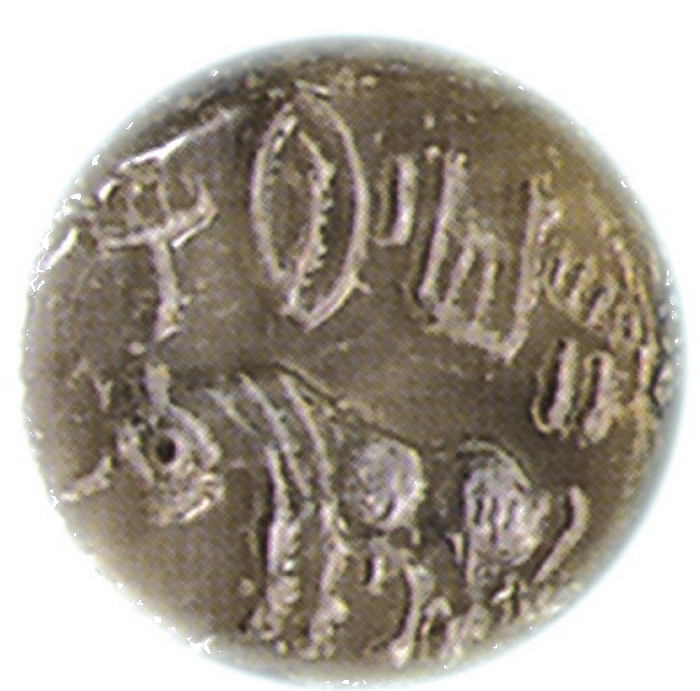
| (C) | The round ‘Persian Gulf’ seal | (III) | Khetri |
| (D) | Source of copper | (IV) | Oman |
Choose the correct answer from the options given below:
Answer & explanation
Correct answer: option 2
The correct answer is Option (2) → (A) - (IV), (B) - (I), (C) - (II), (D) - (III)
(A) A large Harappan jar coated with a thick layer of black clay — this matches (IV) Oman. This distinctive vessel has been found at Omani sites. It is one of the traces of the Harappans’ contact with Oman, a source of copper.
(B) Best source of lapis lazuli — this matches (I) Shortughai. The Harappans set up this settlement in far-off Afghanistan because it was near the best source of lapis lazuli, a blue stone they valued very highly.
(C) The round ‘Persian Gulf’ seal — this matches (II) Bahrain. The round “Persian Gulf” seal found in Bahrain sometimes carries Harappan motifs, a sign of contact between the two regions.
(D) Source of copper — this matches (III) Khetri. The Harappans probably sent expeditions to the Khetri region of Rajasthan for copper, as they did to south India for gold.
Tip: Item (C) comes from the caption under a photograph of the seal. Captions carry facts that the main text does not repeat, so read every caption in the chapter.
NCERT (2025-26): “6.1 Materials from the subcontinent and beyond … Other such sites were Shortughai, in far-off Afghanistan, near the best source of lapis lazuli, a blue stone that was apparently very highly valued, and Lothal which was near sources of carnelian (from Bharuch in Gujarat), steatite (from south Rajasthan and north Gujarat) and metal (from Rajasthan).… Another strategy for procuring raw materials may have been to send expeditions to areas such as the Khetri region of Rajasthan (for copper) and south India (for gold).… 6.2 Contact with distant lands … There are other traces of contact as well. A distinctive type of vessel, a large Harappan jar coated with a thick layer of black clay has been found at Omani sites.…”
|