The period between 1991 and 2003 is referred to as the 'Golden Revolution' in India. It is related to the increased production of:
Answer & explanation
Correct answer: option 2
The correct answer is Option (2) → Honey and Horticulture
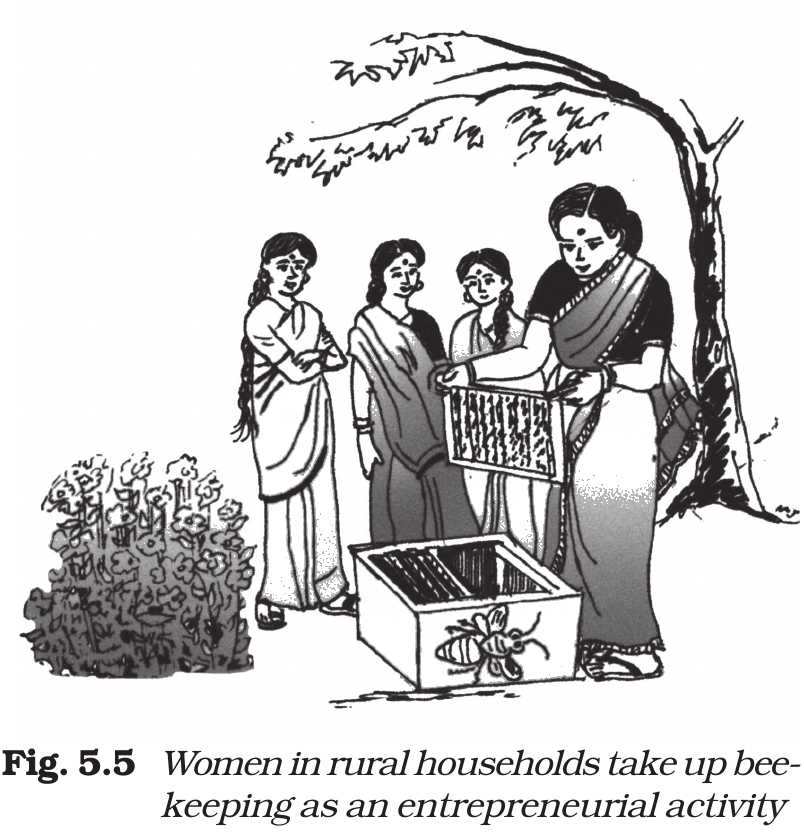
The Golden Revolution is the name for the rise in horticulture and honey production. Horticulture means growing fruits, vegetables, flowers, spices and plantation crops. Honey comes from beekeeping, which many rural households take up as an enterprise.
Wheat and rice are linked with the Green Revolution, and milk with Operation Flood.
Note: The NCERT books (2026-27, 2025-26, 2023-24 and pre-rationalised) name the ‘Golden Revolution’ only in an exercise and do not explain it. They do discuss horticulture and show beekeeping. The period and the link with honey and horticulture come from outside these books.
NCERT (2026-27): “Horticulture: Blessed with a varying climate and soil conditions, India has adopted growing of diverse horticultural crops such as fruits, vegetables, tuber crops, flowers, medicinal and aromatic plants, spices and plantation crops. These crops play a vital role in providing food and nutrition, besides addressing employment concerns. Horticulture sector contributes nearly one-third of the value of agriculture output and six per cent of Gross Domestic Product of India. India has emerged as a world leader in producing a variety of fruits like mangoes, bananas, coconuts, cashew nuts and a number of spices and is the second largest producer of fruits and vegetables.…”
|