Match the LIST-I with LIST-II
| LIST-I | LIST-II |
| (Concepts related to Organising) | (Explanation) |
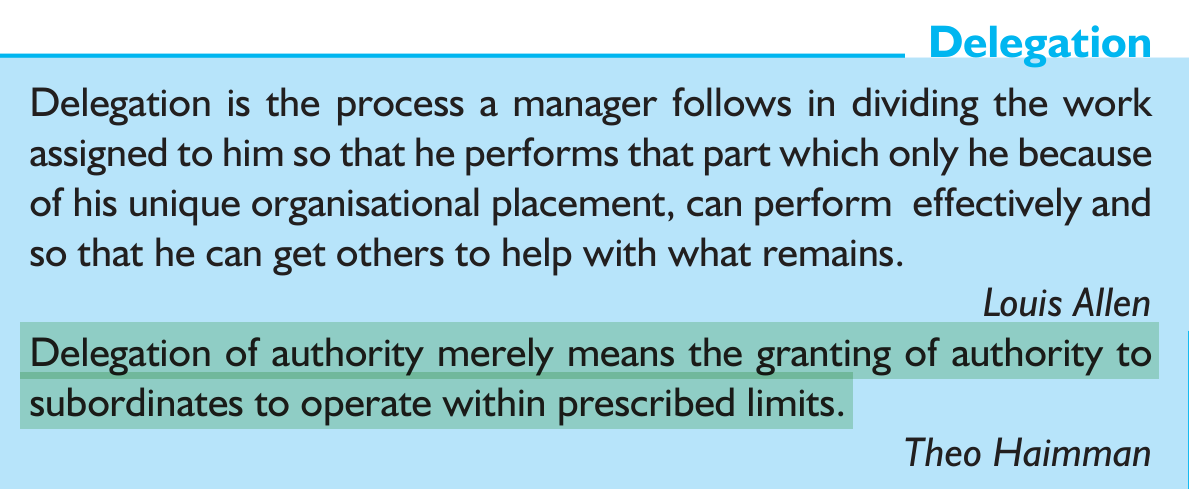
| A. Delegation | I. Granting of authority to subordinates to operate within prescribed limits |
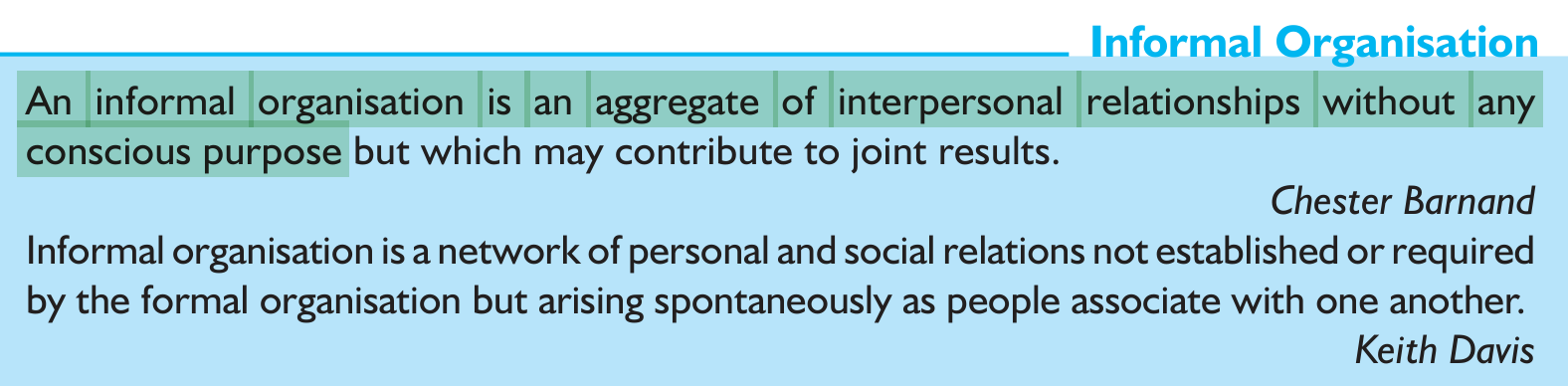
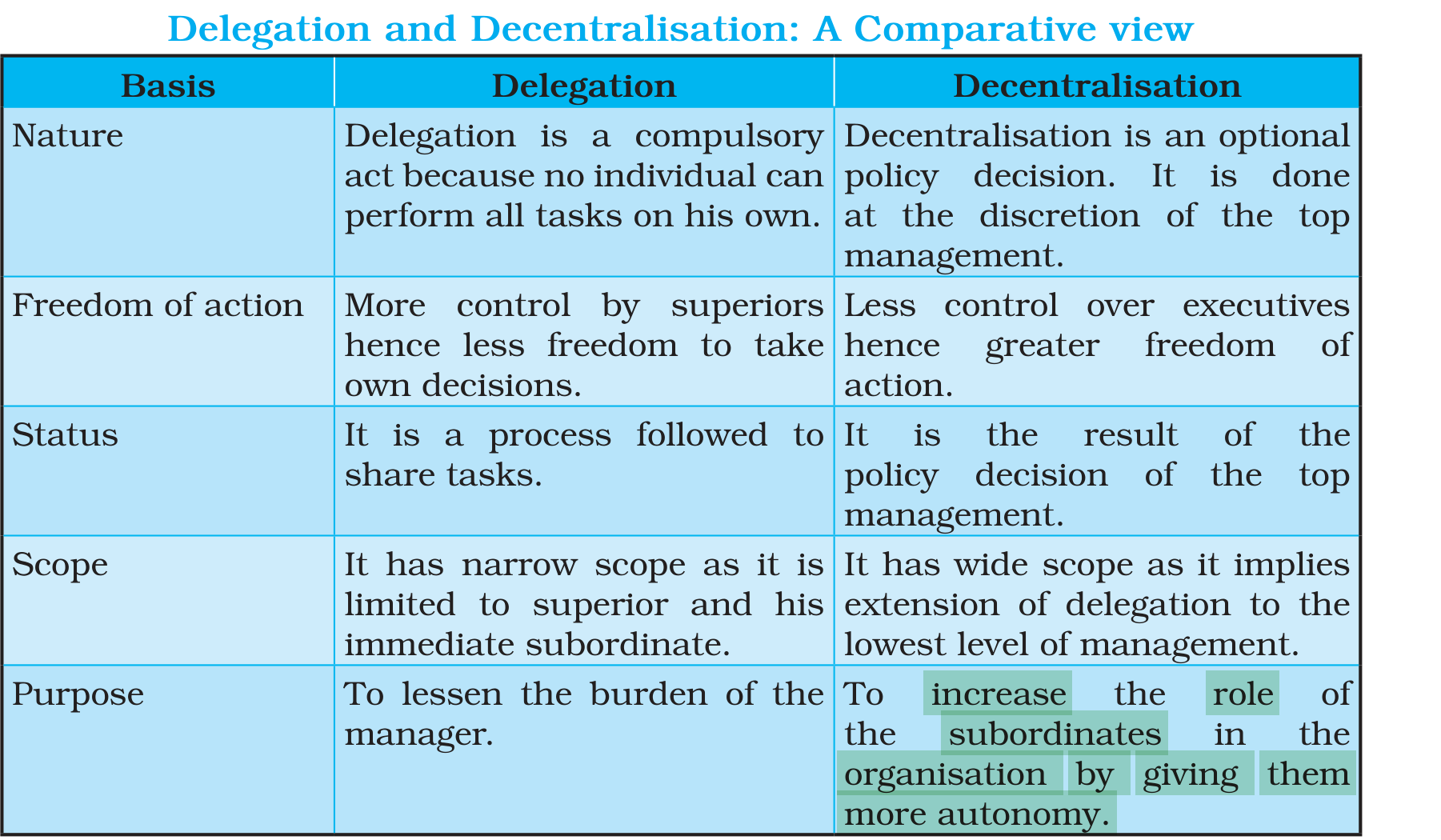
| B. Informal Organisation | II. Increase the importance of a subordinate's role |
| C. Formal Organisation | III. Designed by the management to accomplish a particular task. |
| D. Decentralisation | IV. Aggregate of interpersonal relationships without any conscious purpose |
Choose the correct answer from the options given below:
Answer & explanation
Correct answer: option 2
The correct answer is Option (2) → A-I, B-IV, C-III, D-II
(A) Delegation — this matches (I) Granting of authority to subordinates to operate within prescribed limits. The manager passes some of his authority to a subordinate, but only within set limits, and he stays answerable for the result.
(B) Informal Organisation — this matches (IV) Aggregate of interpersonal relationships without any conscious purpose. It grows on its own out of friendships and common interests at work. Nobody plans it for a purpose.
(C) Formal Organisation — this matches (III) Designed by the management to accomplish a particular task. Management deliberately lays down the structure, with clear authority and responsibility for each post.
(D) Decentralisation — this matches (II) Increase the importance of a subordinate’s role. Decentralisation spreads decision-making authority down to the lower levels. Anything that increases the subordinate’s role is decentralisation; anything that reduces it is centralisation.
NCERT (2026-27 Edition): “Formal organisation refers to the organisation structure which is designed by the management to accomplish a particular task. …”
|