
At which stage do the primary oocytes get temporarily arrested?
Answer & explanation
Correct answer: option 2
The correct answer is Option (2) → At prophase-I of meiosis
Oogenesis starts before birth. In each fetal ovary a couple of million oogonia are formed. They begin meiosis, enter prophase-I and stop there. These arrested cells are the primary oocytes. They stay in this state through childhood and complete the first meiotic division only in the tertiary follicle, shortly before ovulation, to give a secondary oocyte and a first polar body.
Option (1) At metaphase — Incorrect. Metaphase comes after prophase. The primary oocyte does not reach metaphase until it resumes meiosis in the tertiary follicle, so the long pause is not at metaphase.
Option (2) At prophase-I of meiosis — Correct. The primary oocytes are held in prophase of the first meiotic division from fetal life until the follicle matures years later.
Option (3) At anaphase — Incorrect. Anaphase is a later stage in which chromosomes move to the poles. The oocyte is stopped well before anaphase, in prophase-I.
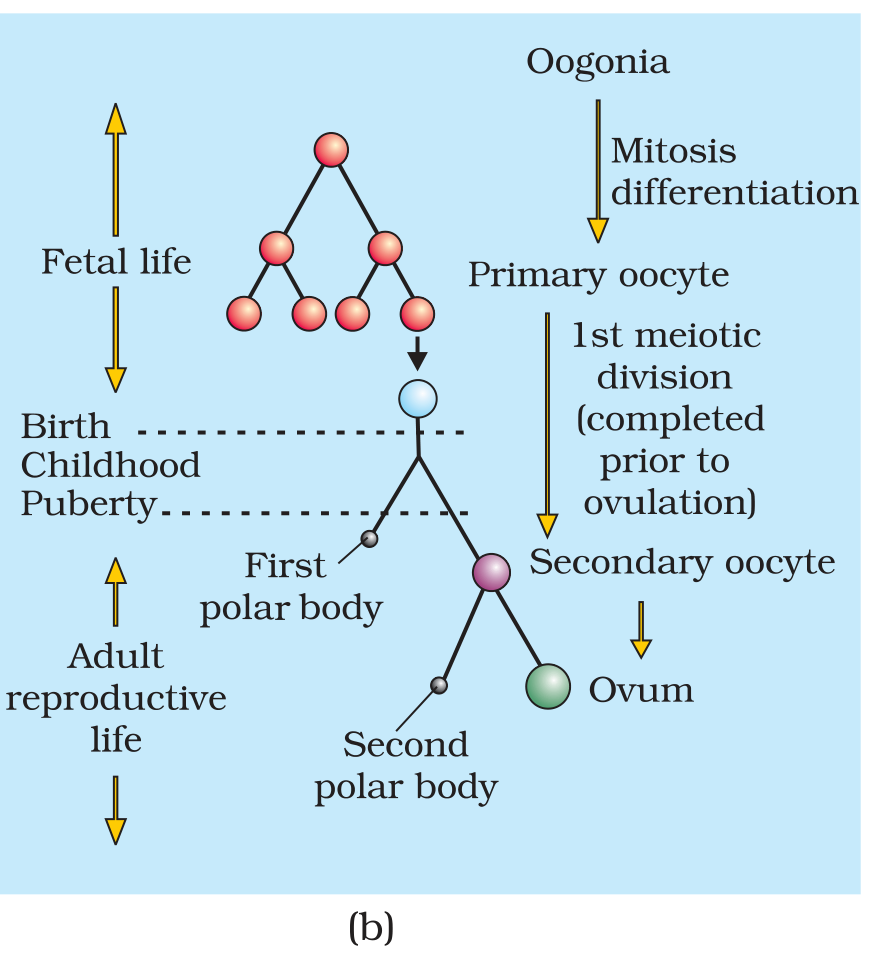
Figure 2.8 Schematic representation of (b) Oogenesis
NCERT Extract:
Gametogenesis – “… Oogenesis is initiated during the embryonic development stage when a couple of million gamete mother cells (oogonia) are formed within each fetal ovary; no more oogonia are formed and added after birth. These cells start division and enter into prophase-I of the meiotic division and get temporarily arrested at that stage, called primary oocytes. Each primary oocyte then gets surrounded by a layer of granulosa cells and is called the primary follicle (Figure 2.7).”