Match List – I with List – II.
| LIST - I | LIST - II |
| A. Frederick Winslow Taylor | I. Need Hierarchy Theory |
| B. Henri Fayol | II. Marketing |
| C. Abraham Maslow | III. Scientific Management |
| D. Philip Kotler | IV. Principles of Management |
Choose the correct answer from the options given below :
Answer & explanation
Correct answer: option 4
The correct answer is Option (4) → A-III, B-IV, C-I, D-II
(A) Frederick Winslow Taylor — matches (III) Scientific Management. Taylor is called the ‘Father of Scientific Management’. He used scientific methods in place of rule of thumb.
(B) Henri Fayol — matches (IV) Principles of Management. Fayol gave the 14 principles of management. He is known as the ‘Father of General Management’.
(C) Abraham Maslow — matches (I) Need Hierarchy Theory. Maslow’s theory of motivation puts human needs in five steps, from basic needs to self-actualisation.
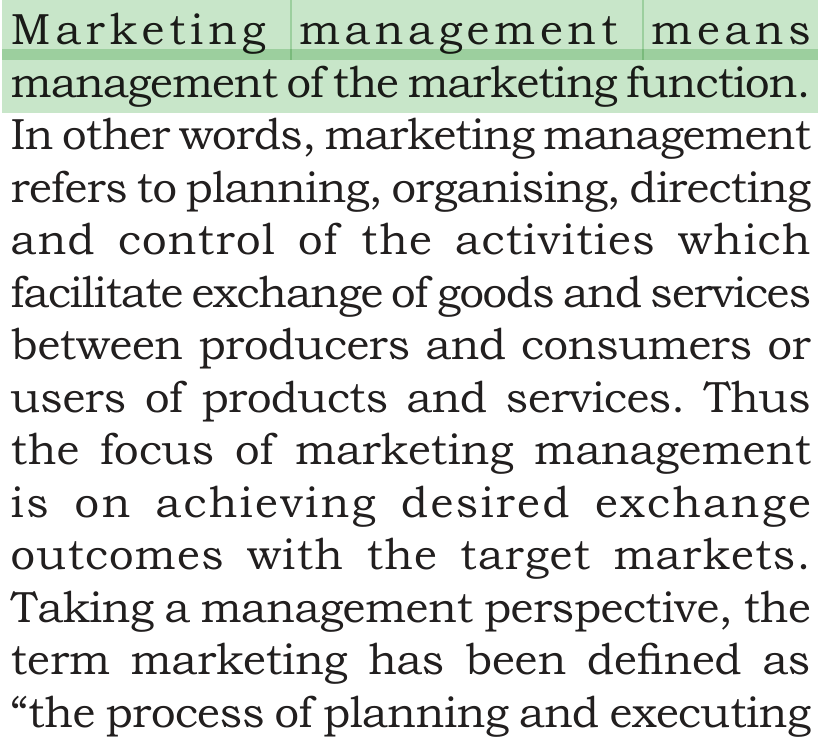
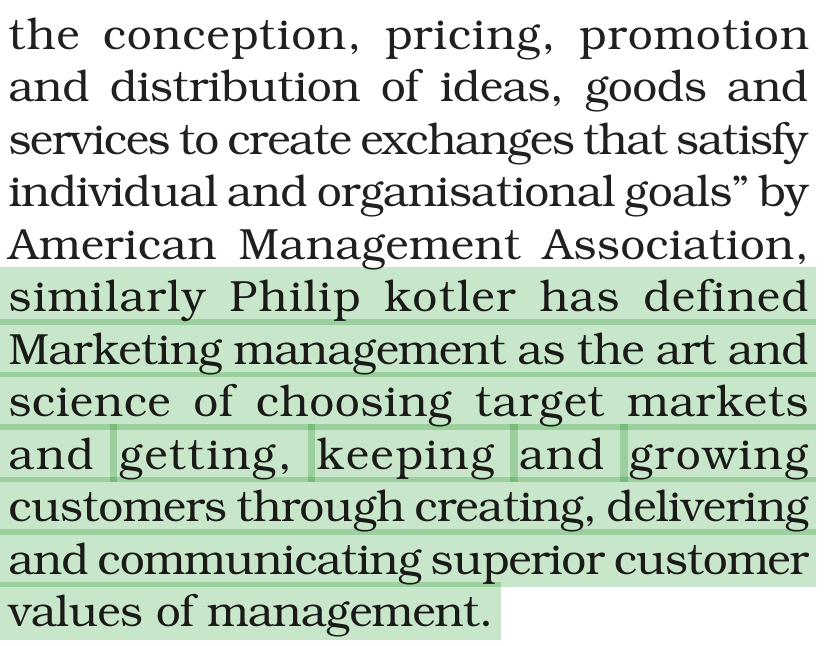
(D) Philip Kotler — matches (II) Marketing. Kotler defined marketing management as the art and science of choosing target markets and getting, keeping and growing customers.
NCERT (2026-27 Edition): “Taylor’s Contribution to Scientific Management … In this scenario, Taylor emerged as the ‘Father of Scientific Management’. He proposed scientific management as opposed to rule of thumb. …” “Henri Fayol … Based largely on his own experience, he developed his concept of administration. The 14 principles of management propounded by him were discussed in detail in his book published in 1917, ‘Administration industrielle et generale’. It was published in English as ‘General and Industrial Management’ in 1949 and is widely considered a foundational work in classical management theory. For his contribution he is also known as the ‘Father of General Management’” “Maslow’s Need Hierarchy Theory … Abraham Maslow, a well-known psychologist in a classic paper published in 1943, outlined the elements of an overall theory of motivation.”
|