
During spermatogenesis, at which stage does the reduction division of chromosomes take place?
Answer & explanation
Correct answer: option 3
The correct answer is Option (3) → During conversion of primary spermatocytes to secondary spermatocytes.
The reduction division is the division that halves the chromosome number, from diploid (46) to haploid (23). In spermatogenesis it is the first meiotic division.
Option (1) During conversion of spermatogonia to primary spermatocytes. — Incorrect. Spermatogonia multiply by mitotic division, and some of them become primary spermatocytes. Both are diploid, so the number is not reduced here.
Option (2) During conversion of secondary spermatocytes to spermatids. — Incorrect. The secondary spermatocytes are already haploid. Their second meiotic division gives four haploid spermatids without halving the number again.
Option (3) During conversion of primary spermatocytes to secondary spermatocytes. — Correct. A primary spermatocyte completes the first meiotic division (reduction division) and forms two haploid secondary spermatocytes with only 23 chromosomes each.
Option (4) During conversion of spermatids to sperms. — Incorrect. Spermatids are changed into sperms by spermiogenesis, which is a change in form, not a division.
NCERT Extract:
Gametogenesis – “… Each spermatogonium is diploid and contains 46 chromosomes. Some of the spermatogonia called primary spermatocytes periodically undergo meiosis. A primary spermatocyte completes the first meiotic division (reduction division) leading to formation of two equal, haploid cells called secondary spermatocytes, which have only 23 chromosomes each. The secondary spermatocytes undergo the second meiotic division to produce four equal, haploid spermatids (Figure 2.5).”
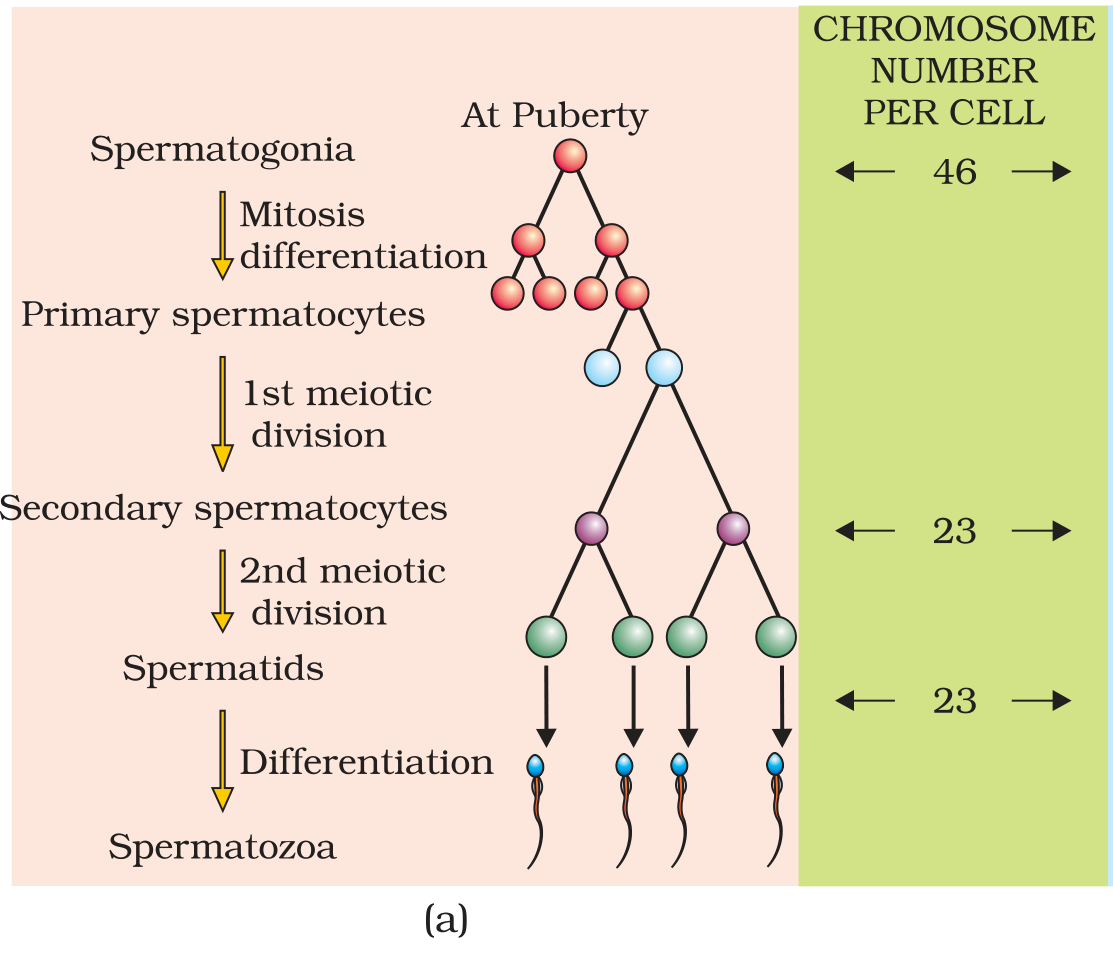
Figure 2.8 (a) Schematic representation of Spermatogenesis