
Which of the following is a test cross?
Answer & explanation
Correct answer: option 3
The correct answer is Option (3) → Tt × tt
Looking at a plant with the dominant trait does not tell us whether it is TT or Tt. In a test cross such a plant is crossed with the recessive parent (tt) instead of being self-crossed. If all the progeny are tall, the plant was TT; if half are dwarf, it was Tt.
Option (1) Tt × Tt — Incorrect. Tt × Tt is a cross between two heterozygotes, like the selfing of the F1. It gives the 3 : 1 ratio but uses no recessive parent.
Option (2) TT × TT — Incorrect. TT × TT crosses two homozygous dominant plants. All progeny are TT, and nothing is tested.
Option (3) Tt × tt — Correct. A plant showing the dominant trait (here Tt) is crossed with the homozygous recessive tt. This is a test cross, and it gives tall and dwarf progeny in a 1 : 1 ratio.
Option (4) tt × tt — Incorrect. tt × tt crosses two recessive plants. Neither shows the dominant trait, so there is no unknown genotype to find.
NCERT Extract:
Inheritance of One Gene – “… Therefore, to determine the genotype of a tall plant at F2, Mendel crossed the tall plant from F2 with a dwarf plant. This he called a test cross. In a typical test cross an organism (pea plants here) showing a dominant phenotype (and whose genotype is to be determined) is crossed with the recessive parent instead of self-crossing. The progenies of such a cross can easily be analysed to predict the genotype of the test organism.”
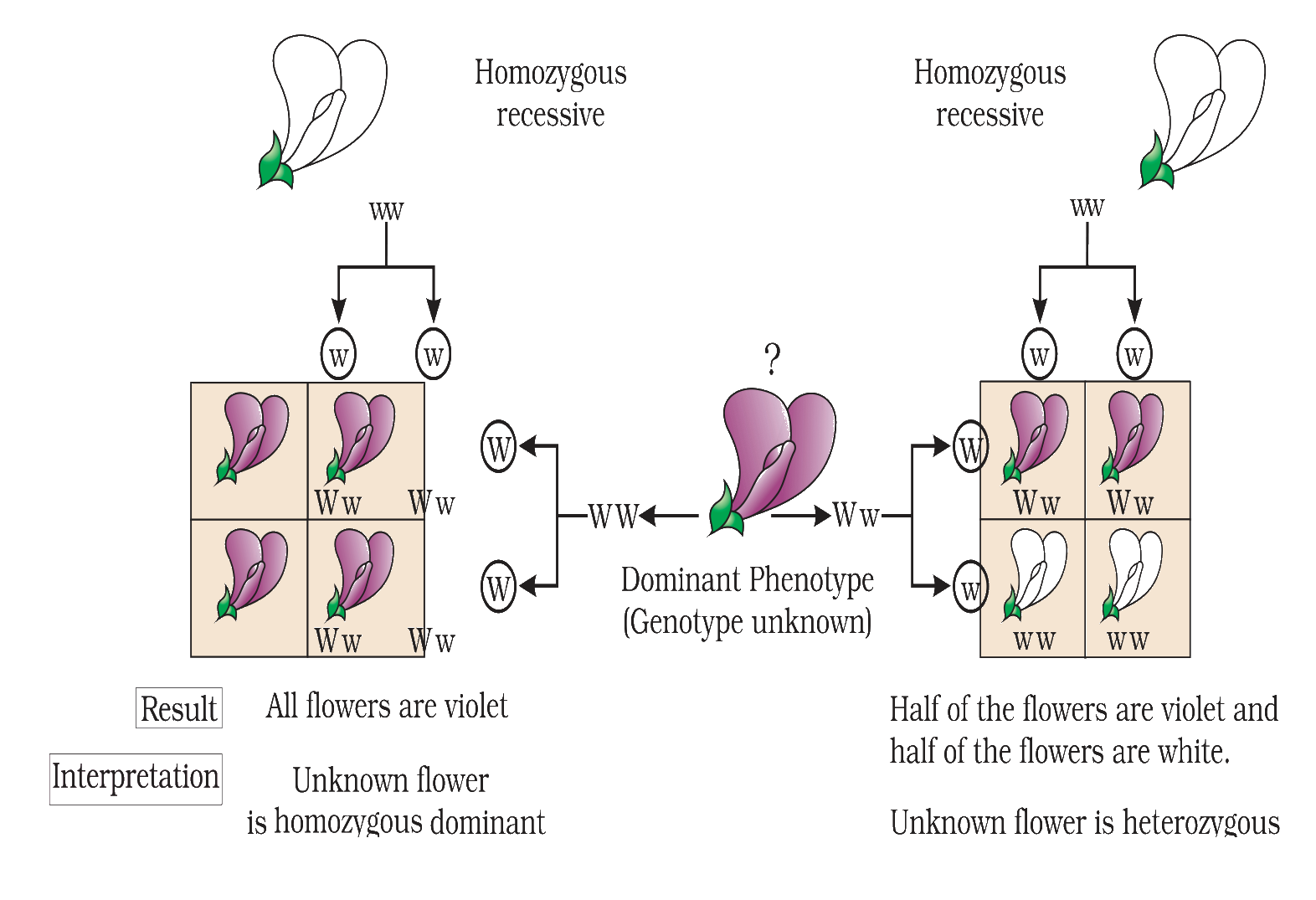
Figure 4.5 Diagrammatic representation of a test cross