CUET Preparation Today
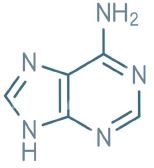
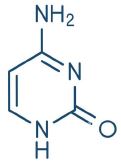
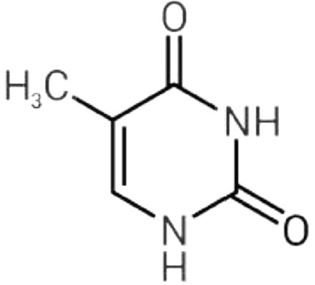
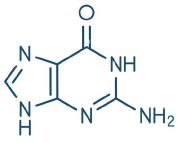
Match List-I (Name of the Base) with List-II (Structure)
Choose the correct answer from the options given below: |
(A)-(I), (B)-(II), (C)-(III), (D)-(IV) (A)-(I), (B)-(III), (C)-(II), (D)-(IV) (A)-(II), (B)-(IV), (C)-(I), (D)-(III) (A)-(III), (B)-(IV), (C)-(I), (D)-(II) |
(A)-(II), (B)-(IV), (C)-(I), (D)-(III) |
The correct answer is Option (3) → (A)-(II), (B)-(IV), (C)-(I), (D)-(III)
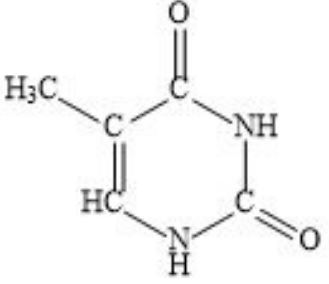
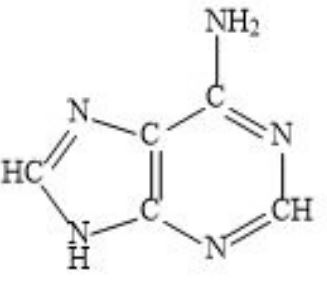
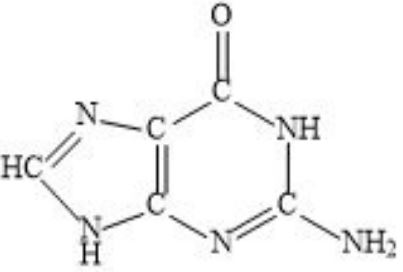
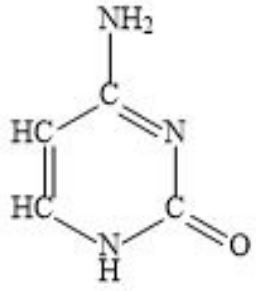
Core Concept Nitrogenous bases are identified by their ring system and functional groups: Purines → Double ring → Adenine, Guanine Pyrimidines → Single ring → Cytosine, Thymine Each base has unique substituents like =O, –NH₂, and –CH₃ that help identify them. Correct Matching Adenine → Purine with –NH₂ → (II) Cytosine → Pyrimidine with =O and –NH₂ → (IV) Thymine → Pyrimidine with two =O and CH₃ → (I) Guanine → Purine with =O and –NH₂ → (III) Logic for Each Pair (A) Adenine → (II) Adenine is a purine base (double ring). It contains an amino group (–NH₂) at position 6 and no carbonyl group. This uniquely matches structure (II).
(B) Cytosine → (IV) Cytosine is a pyrimidine (single ring). It has one amino group and one carbonyl group. This corresponds to structure (IV).
(C) Thymine → (I) Thymine is a pyrimidine base. It contains two carbonyl groups and a methyl group (–CH₃). This matches structure (I).
(D) Guanine → (III) Guanine is a purine. It contains one carbonyl group and one amino group. This matches structure (III).
|