Arrange the following in order of occurrence.
A. Industrial policy resolution based on schedules
B. Second phase of Green Revolution
C. Directive principles of Indian constitution
D. Foreign exchange reforms
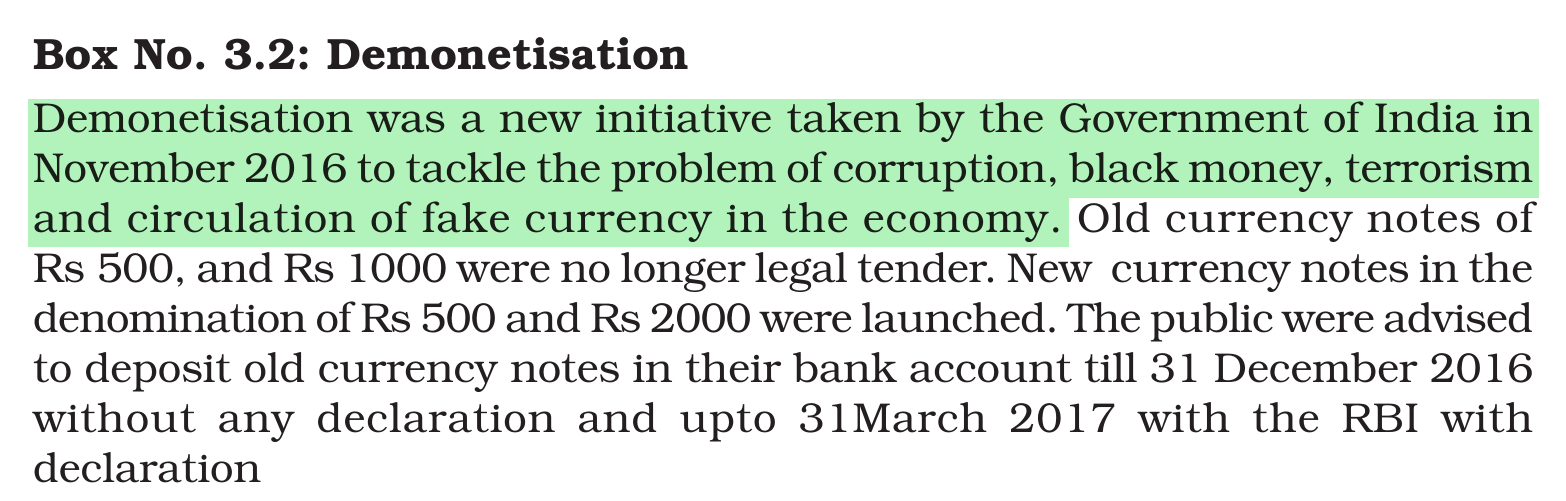
E. Demonetisation
Choose the correct answer from the options given below :
Answer & explanation
Correct answer: option 4
The correct answer is Option (4) → C, A, B, D, E
C. Directive principles of Indian constitution — The Constitution came into force in 1950, and these principles were part of it.
A. Industrial policy resolution based on schedules — This is the Industrial Policy Resolution of 1956, which classified industries into three categories.
B. Second phase of Green Revolution — It ran from the mid-1970s to the mid-1980s.
D. Foreign exchange reforms — These were part of the reform policies begun in 1991.
E. Demonetisation — The Government of India took this step in November 2016.
NCERT (2026-27): “Industrial Policy Resolution 1956 (IPR 1956): In accordance with the goal of the state controlling the commanding heights of the economy, the Industrial Policy Resolution of 1956 was adopted. This resolution formed the basis of the Second Five Year Plan, the plan which tried to build the basis for a socialist pattern of society. This resolution classified industries into three categories.… The Green Revolution: … In the second phase of the green revolution (mid-1970s to mid-1980s), the HYV technology spread to a larger number of states and benefited more variety of crops.…” NCERT (2026-27), chapter ‘Human Capital Formation in India’: “Education for All — Still a Distant Dream: … In 1950, when the Constitution of India was passed by the Constituent Assembly, it was noted in the Directive Principles of the Constitution that the government should provide free and compulsory education for all children up to the age of 14 years within 10 years from the commencement of the Constitution.…” NCERT (2026-27), chapter ‘Liberalisation, Privatisation and Globalisation: An Appraisal’: “Foreign Exchange Reforms: The first important reform in the external sector was made in the foreign exchange market. In 1991, as an immediate measure to resolve the balance of payments crisis, the rupee was devalued against foreign currencies.…”
|