Match List-I with List-II.
| LIST I | LIST II |
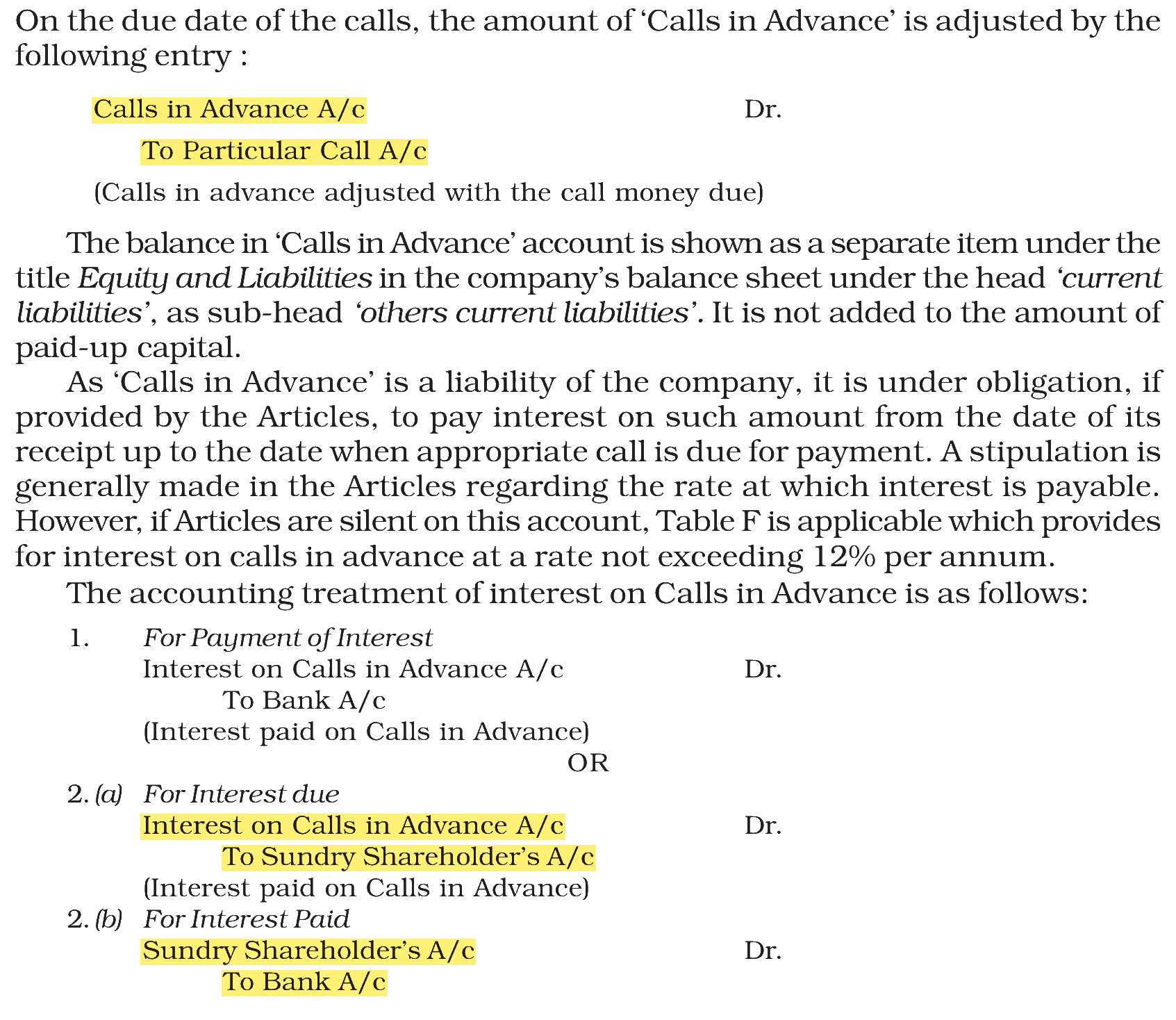
| A) Calls in Advance A/c Dr. To Particular Call A/c |
(I) For Interest due on Calls in Advance |
| B) Interest on Calls in Advance A/c Dr. To Sundry Shareholder's A/c |
(II) For Interest Paid on Calls in Advance |
| C) Sundry Shareholder's A/c Dr. To Bank A/c |
(III) Calls in advance adjusted with the call money due |
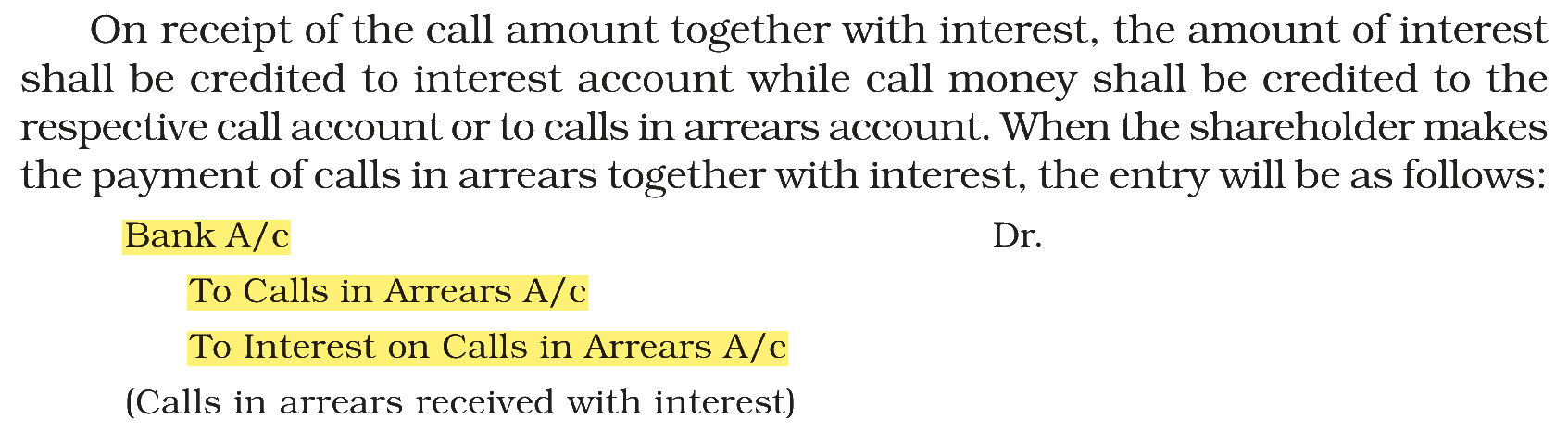
| D) Bank A/c Dr. To Calls in Arrears A/c To Interest on Calls in arrears A/c |
(IV) Calls in arrears received with interest |
Choose the correct answer from the options given below:
Answer & explanation
Correct answer: option 3
The correct answer is Option (3) → (A)-(III), (B)-(I), (C)-(II), (D)-(IV)
Calls in advance are a liability of the company, and interest is payable on them; calls in arrears are amounts the shareholders still owe, and interest is charged on them. Each entry is read from which account is debited and which is credited.
(A) Calls in Advance A/c Dr. To Particular Call A/c — this matches (III) Calls in advance adjusted with the call money due. When the call falls due, the money already received in advance is set off against that call.
(B) Interest on Calls in Advance A/c Dr. To Sundry Shareholder’s A/c — this matches (I) For Interest due on Calls in Advance. The interest is an expense, and the shareholders are credited because it is now owed to them.
(C) Sundry Shareholder’s A/c Dr. To Bank A/c — this matches (II) For Interest Paid on Calls in Advance. Paying the interest clears the amount owed to the shareholders and reduces the bank balance.
(D) Bank A/c Dr. To Calls in Arrears A/c, To Interest on Calls in Arrears A/c — this matches (IV) Calls in arrears received with interest. The defaulting shareholder pays the overdue call together with interest on it.
NCERT (2026-27 edition):
NCERT (2026-27 edition):
|