


CUET Preparation Today
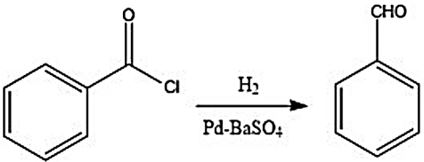
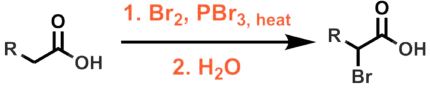
The following reaction is known as
|
Wolff-Kishner reduction Rosenmund reduction reaction Birch reduction reaction Hell-Volhard-Zelinsky reaction |
Rosenmund reduction reaction |
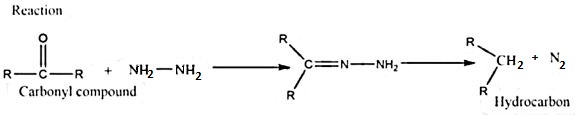
The correct answer is Option (2) → Rosenmund reduction reaction Core Concept Selective reduction of acid chlorides to aldehydes using H₂ in presence of poisoned Pd catalyst is called Rosenmund reduction. Pd–BaSO₄ acts as a poisoned catalyst preventing further reduction to alcohol. Explanation of Each Option (1) Wolff–Kishner reduction This reaction reduces aldehydes or ketones to alkanes using hydrazine and strong base. No acid chloride is involved and aldehyde is not the final product.
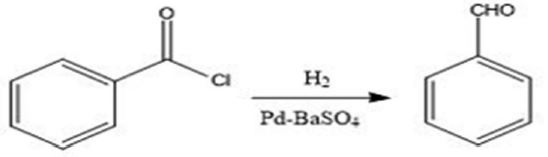
(2) Rosenmund reduction reaction Acid chloride is reduced to aldehyde using hydrogen gas in presence of Pd–BaSO₄. The poisoned catalyst prevents further reduction to alcohol. The given reaction perfectly matches this transformation.
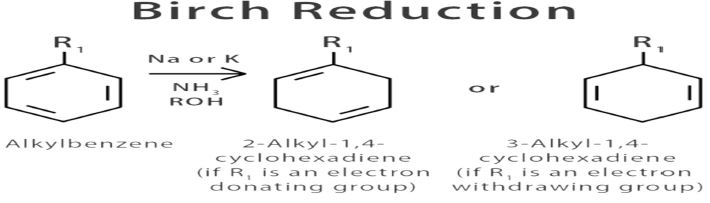
(3) Birch reduction reaction Birch reduction reduces aromatic rings to non-aromatic cyclohexadienes using Na/NH₃. No acid chloride to aldehyde conversion occurs.
(4) Hell–Volhard–Zelinsky reaction This reaction involves α-halogenation of carboxylic acids using PBr₃ and halogen. No reduction takes place here. Hence incorrect.
|